A simple question changed everything.
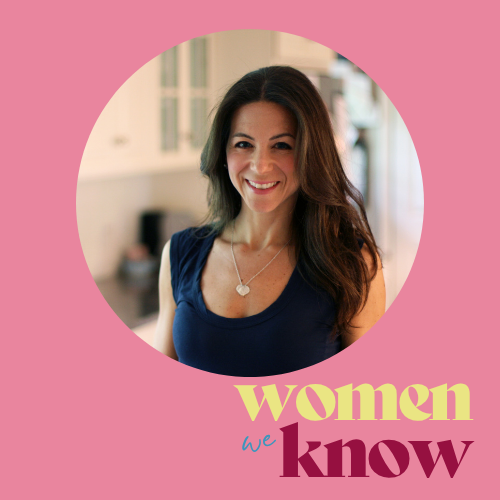
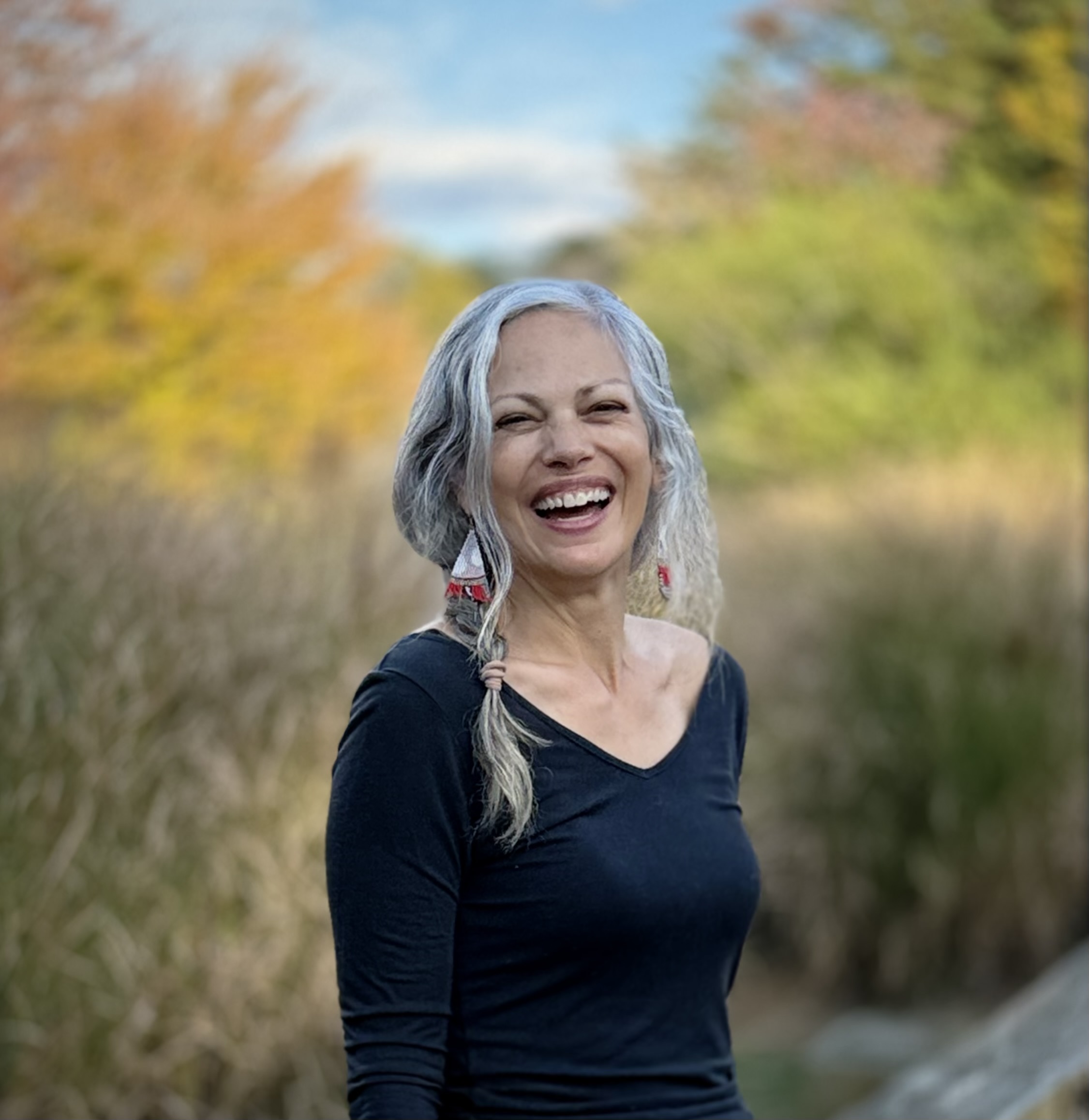
When Lynne B. Kahn learned that children who depend on school meals often face two hungry days every weekend, she didn’t accept it as someone else’s problem. She built a solution. What began with 30 children in two schools has grown into Baltimore Hunger Project, an organization that now serves more than 2,600 students every week with food, essentials, and a whole lot of dignity.
In this edition of Women We Know, Lynne shares how she turned compassion into action, why it’s never too late to build something meaningful, and the leadership lessons she’s learned from creating a movement fueled by community.
Q: You founded Baltimore Hunger Project after asking a simple but life-changing question: “What happens to children on the weekends when school meals aren’t available?” What was it about that realization that moved you from concern to action?
For a child who depends on breakfast and lunch at school, Friday afternoon isn’t the start of a relaxing weekend. It’s the start of two days of not knowing where the next meal is coming from. And a hungry child doesn’t just bounce back on Monday. It can take until the middle of the week before they’re really able to settle in and learn. So we were essentially asking these children to lose half of every week. I’m a practical person, and to me this was a practical problem with a practical answer: get food into their hands before they walk out the door on Friday. Worrying about it would have been the easy thing to do. But once I could see there was an actual solution, I couldn’t just sit with the concern anymore.
Q: Your personal and professional journey spans entrepreneurship, leadership, and philanthropy. Looking back, what experiences best prepared you to build and lead an organization that now serves thousands of children every week?
The most important preparation happened before I ever had a career. Giving back was just part of how I grew up. My mom volunteered every week with Our Daily Bread and the Salvation Army, and watching her do that, year after year, taught me that showing up for other people isn’t something extra. It’s just what you do.
The skills came later. I spent about thirty-five years as a CPA, working alongside my father in his accounting practice, and for about twelve of those years I was doing that and building Baltimore Hunger Project at the same time. People think of the numbers and compassion as opposite worlds, but accounting is what made this organization possible. It taught me to be financially responsible and to build something that could actually last, because a nonprofit doesn’t survive on good intentions. It survives on people trusting you to do what you said you’d do.
The rest was just deciding to start before I had it all figured out. You don’t get a guarantee that it’ll work. You keep going anyway, even when you can’t see the whole path in front of you.
Q: What began with 30 children in two schools has grown into a powerful organization serving more than 2,600 students across Baltimore City and County. At what point did you realize this mission was becoming something far bigger than a volunteer effort?
For a long time it felt very grassroots. The moment that changed was March of 2020, when the governor closed the schools in Maryland. Baltimore Hunger Project no longer had access to the children in the buildings. Rather than shutdown, I made the decision to pivot and overnight we became community food distributors. We set up six locations around Baltimore County and were serving thousands of families a week. Not just our weekend food bags, but eggs, bread, milk, produce, and every extra I could get my hands on. Every Friday I’d look around at what we’d pulled together and just smile. That was when it hit me that this had gotten bigger than me. It had become a community’s effort, not a personal one. We didn’t pull back during the crisis, we stepped up, and the community stepped up right alongside us. From there it kept growing into the 10,000 square foot warehouse we’re in now, with about 150 regular volunteers, and that’s not even counting all the people who come through to pack and process donations. And our waiting list says it all. The need is bigger than any one of us.
Q: Baltimore Hunger Project is about more than food—you also provide hygiene items, birthday kits, and other essentials that help children feel seen and cared for. Why is preserving dignity such a central part of your mission?
Because it’s hard enough just to be a child. Now imagine being a child who doesn’t have enough to eat, or whose clothes aren’t clean. When a family is struggling, hard choices get made, and a birthday cake or a Thanksgiving meal just isn’t going to be the priority. That’s not because parents don’t love their children. It’s because survival comes first. So we decided to provide those things ourselves. A birthday kit. A holiday meal. Hygiene items so a child can walk into school holding their head up. What we’re really building is a comprehensive system of care, something well beyond food. We want every child to have the same access, and to feel like they belong in the room. Food keeps a child going, but those extras tell a child they matter. I’ve always believed we have a responsibility to take care of each other. That’s just what we owe one another. Our children deserve to feel seen, not only fed.
Q: Many women have a desire to make a difference but feel overwhelmed by the size of the problem. How did you learn to focus on one practical solution and trust that it could create meaningful change?
I never set out to solve hunger in Baltimore because that number would give anyone pause. I set out to make sure a child had food for one weekend. That was it. Thirty kids, two schools. A problem that big will freeze you if you let it, so you have to shrink it down to something you can actually get your arms around. You don’t have to feed thousands. You feed the child in front of you, and then the next one. Real change usually isn’t one big dramatic gesture. It’s a lot of small, steady things that add up over time. I believed in it because I could see it working, weekend after weekend, in actual kids’ lives. Start small, stay consistent, and let it grow. What started with thirty children reaches more than 2,600 now. But none of that would have happened if I’d waited until I could help all of them at once.
Q: Leading a nonprofit takes heart, strategy, and plenty of resilience. What has this journey taught you about leadership, perseverance, and the power of community?
That leadership isn’t about having all the answers. It’s about being willing to start, and then surrounding yourself with people who are better than you at the things you can’t do. I lean on a wonderful team and about 150 volunteers who keep showing up, and honestly, none of this works without them. Perseverance turned out to be a lot less dramatic than I expected. It’s mostly just getting up and doing the work again on the days you’re worn out and the need feels endless. And the community part still gets me. This organization stopped being mine a long time ago. It belongs to everyone who packs a bag or writes a check or lends a hand. People want to help. A lot of the time they’re just waiting for someone to show them how. So my job, really, is to keep building that bridge between the people who want to give and the kids who need it.
Q: For women in midlife who feel called to create something purposeful—whether in business, philanthropy, or a second act—what advice would you give them?
Don’t wait until you feel ready, because you may never feel completely ready, and that’s okay. I built Baltimore Hunger Project while I was still working full time as a CPA in my father’s practice, and for years I had a foot in two completely different worlds before I ever went all in. Midlife isn’t a door closing. It’s actually one of the best times to start something. You come to it with years of instinct and know-how, and you finally have the clarity to know what really matters to you. So use it. Everything you’ve picked up along the way isn’t behind you. It’s the foundation you get to build on. Start before you’re sure. Let the work teach you as you go. And let yourself want something meaningful at this point in your life. Some of the most impressive women I know decided their best chapter was still ahead of them.
Q: When you imagine a future where no child in Baltimore has to worry about where their next meal will come from, what gives you the greatest hope?
The next generation. What gives me the most hope is watching young people learn about food insecurity. Seeing them understand what it actually is, notice it in their own communities, and get why it matters. When a young person realizes that hunger is happening to kids who look just like them, who sit in classrooms just like theirs, something changes. They don’t look away. They want to help, and they start to see that they really can. Through our youth leadership programs, I get to watch that happen over and over, and it tells me this work isn’t going to end with me. We’re not just feeding children today. We’re raising a generation that won’t accept any child going hungry. That’s how something like this actually gets solved. Not in one lifetime, but when the people coming up behind us pick it up and carry it the rest of the way.
Love meeting incredible women doing extraordinary things? Browse the rest of our Women We Know series here.