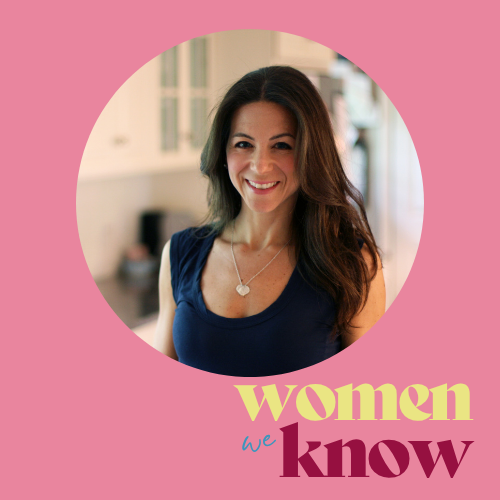
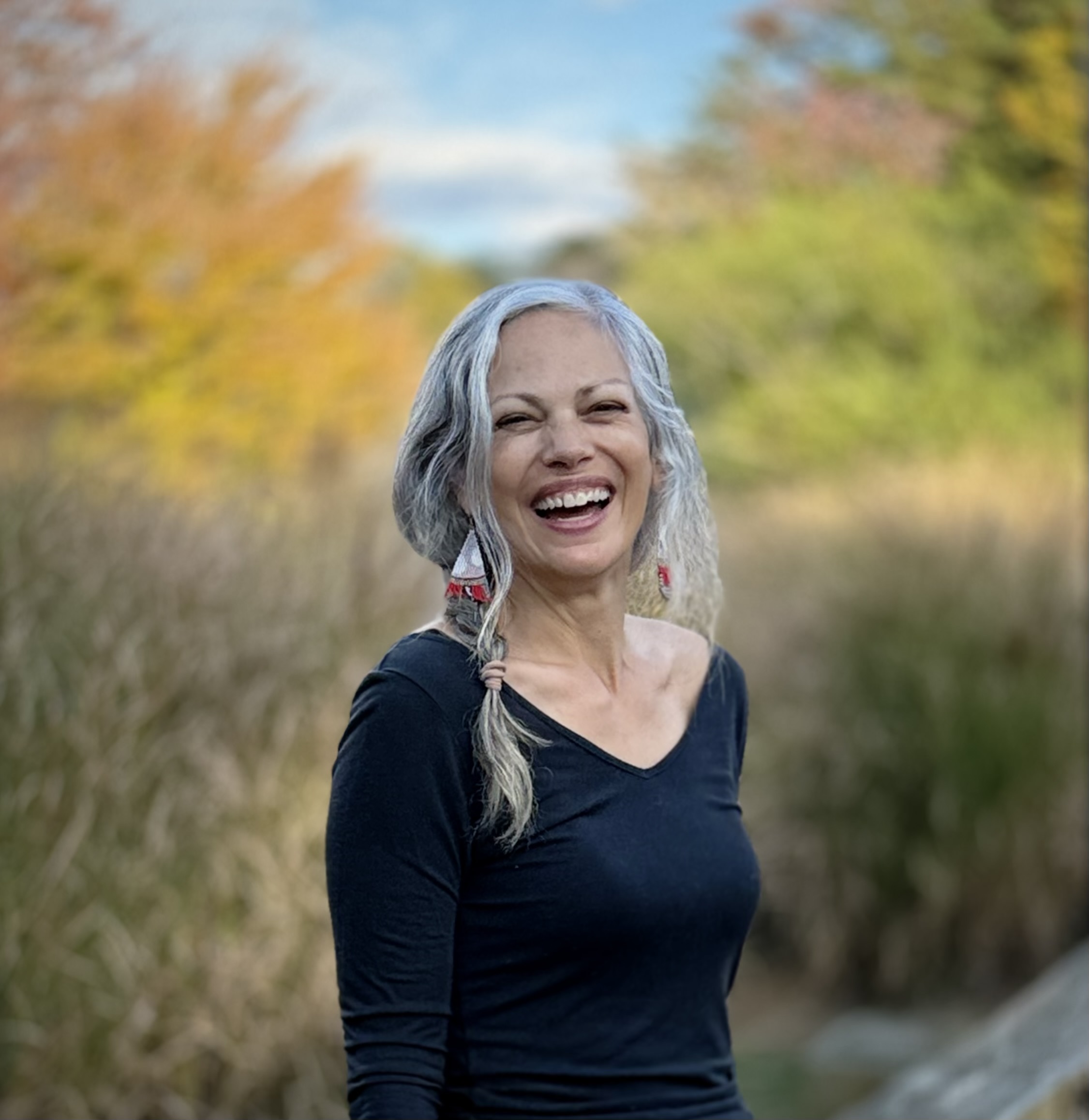
Most women don’t think about their bones until one breaks—but by then, the damage may already be done. Orthopedic surgeon Dr. Shannon Carpenter wants to change that. Through her work treating fracture patients and her advocacy for earlier screening, she’s helping women understand why menopause is a critical turning point for bone health—and why knowing your numbers today could help prevent a life-changing fracture tomorrow.
You often meet women after a devastating fracture. What is the most common scenario you see in your practice among women in midlife, and how often could these fractures have been prevented with earlier intervention?
The scenario I see most is a woman who breaks a bone doing something completely ordinary: reaching for something, stepping off a curb, a small fall. We scan her and find osteoporosis she never knew she had, because no one had ever referred her for a bone density scan. One patient actually changed the course of my career. She was an accountant in her mid-50s who fell in the middle of tax season and shattered her shoulder so badly that I had to replace it. I referred her to get her osteoporosis treated, and before she could even make it to that appointment, she fell again and broke the other shoulder. I felt convicted. I couldn’t keep fixing these fractures and ignoring why they were happening. The hard truth is that most of them are preventable. The right habits help keep bones stronger longer, and once osteoporosis is there, we have bone-building treatments that lower the risk of the next fracture. That gap, between when bone quietly starts declining and when women actually start thinking about their bones, is exactly why I founded Demand the Scan.
The readers of She’s Got Issues are actively navigating perimenopause and menopause. Can you explain the biological shift that happens to a woman’s bones during this time and why the risk of osteoporosis accelerates so rapidly?
Here’s what most women don’t realize: bone health is not just a menopause conversation; it starts decades earlier. We hit peak bone density around age 30 and decline from there, so the bone you build in your 20s and 30s is what you live on for the rest of your life. I talk to my patients about their “bonespan,” the number of years your skeleton stays strong enough to carry you. When estrogen drops at menopause, bone loss speeds up dramatically, because you are breaking bone down faster than you can build it back. Women can lose up to 20% of their bone density in the five to seven years around menopause. I don’t say that to scare anyone. I say it because it’s empowering. Once you understand the biology, you can take ownership of it.
What are the biggest misconceptions patients have about their bone health prior to breaking a bone, and how does their perspective change once they are in your care?
There are two big ones. The first is that bone loss is just part of aging and there’s nothing you can do until something breaks. That is simply not true. Weight-bearing exercise and strength training are some of the most powerful tools you have, and if you already have osteoporosis, we have treatments that can rebuild bone before you ever fracture. The second is that osteoporosis is a frail, little-old-lady disease. It isn’t. So many of my patients are runners, yogis, and careful eaters who assumed their lifestyle had their bones covered. It’s called the silent disease for a reason: there are no symptoms until a bone breaks, and millions of women are walking around with it right now and have no idea. The good news is that we can treat it, but only if we go looking. Once a woman sees her own numbers on that first DEXA, the shift is instant. The question I hear over and over is, “Why did no one tell me this sooner?”
You are a strong advocate for earlier DEXA scans. Why is the current screening recommendation so late and what would you change?
Right now, the U.S. Preventive Services Task Force recommends that most women start DEXA screening at 65. But bone loss begins in our 30s, so waiting until 65 often means catching it after a lot of damage is already done. I would love to see that conversation start much earlier, at menopause or in the early postmenopausal years, instead of decades later. Earlier screening means earlier diagnosis, and earlier diagnosis changes outcomes. It’s what I tell every woman in my life: Don’t wait to break, demand the scan. Don’t wait to be offered it.
When a woman finally gets her DEXA scan, the T-scores can be confusing. What exactly should women be looking for, and at what point should they be referred to a specialist rather than just their general practitioner or OB-GYN?
First, if you got the scan, congratulations, because you can’t manage what you haven’t measured. A T-score compares your bone density to that of a healthy young adult. A score of -1.0 or above is normal. Between -1.0 and -2.5 is osteopenia, or low bone density, which is your early warning sign. A score of -2.5 or below is osteoporosis. Here’s what matters most: many kinds of providers can manage bone health, whether that’s a primary care doctor, an OB-GYN, an endocrinologist, a rheumatologist, or an orthopedic surgeon like me. The specialty matters less than whether your provider stays current on the latest osteoporosis guidelines and is comfortable treating it. If yours isn’t, that’s your cue to ask for a referral to someone who is.
We’ve been conditioned to think that calcium supplements and walking are enough to protect our bones. What does a truly comprehensive, modern bone health strategy look like for a woman entering midlife?
Calcium and a daily walk are a start, not a strategy. A real, modern approach to keeping bones strong includes nutrition, weight-bearing exercise, resistance training, and for a lot of women, medical treatment. We have therapies now that actually build new bone, and that conversation should not wait until after a fracture, because starting treatment as soon as you know you have osteoporosis can change the whole course of the disease. There’s a real cultural shift happening around women and strength training, and I am here for it. My gym runs a class called “Ladies of Lifting,” where women of every age learn their way around a barbell, and watching them deadlift and squat for their future strength makes my day. I practice what I preach: when I scanned myself and saw I had low bone density for my age, I traded a lot of my barre and yoga for heavier lifting and added jumping. It is never too late to start. But here’s the part I really need women to hear: lifestyle slows bone loss if you start early. If you already have osteoporosis, especially if you were left out of menopausal hormone therapy (MHT), diet and exercise alone will not prevent fractures. That is a conversation to have with your doctor about treatment.
How has the landscape of medical treatment for osteoporosis evolved?
The treatment landscape has changed a lot, and it has genuinely changed what I can offer my patients. When I started, the main option for postmenopausal osteoporosis was bisphosphonates, which slow bone loss but aren’t right for everyone and do little to rebuild strength. We have come a long way since then. We now have bone-building therapies, called anabolics, that actually tell the body to form new bone. We’ve gone from playing defense to playing offense. I recently sat with a newly diagnosed patient who assumed the best we could do was slow things down. She had no idea that rebuilding bone was even on the table. Once she understood it wasn’t one-size-fits-all, she went from feeling like she’d been handed a life sentence to feeling like she was choosing her own path. That’s why I push every woman to have a real conversation with her doctor about all of her options, because there are more of them than there used to be, and the right one depends on the individual.
For a woman who has already experienced a fracture, what is the absolute most critical next step she needs to take to prevent a secondary fracture?
Here’s the rule I want every woman to know: a broken bone from a minor fall or low-impact injury after 50 is osteoporosis until proven otherwise. So if you break a bone, ask for a bone density scan right away if you haven’t had one, and if it shows osteopenia or osteoporosis, start the treatment conversation immediately. A fracture is a warning shot. Once you’ve broken a bone from osteoporosis, your risk of another one rises sharply, especially in the next year or two, so time really matters. And because osteoporosis is progressive, doing nothing means your bone density just keeps falling. Start building your long-term bone-strength plan before you leave the hospital, the surgeon’s office, or wherever you ended up after that fracture.
If you could broadcast one urgent, non-negotiable message to every woman currently in perimenopause or menopause regarding her bone health, what would it be?
Don’t wait for a fracture to take your bones seriously, and don’t assume you’re too young to start. Your peak bone mass is already behind you by your mid-30s, and the window to protect your “bonespan” is open right now. Start moving with intention: weight-bearing and resistance exercise are some of the most powerful things you can do for your bones at any age. I work hard to avoid the fearmongering that surrounds midlife, because this is about knowledge as empowerment. It’s exactly why I partnered with Amgen, to help more women understand their bone health and why early screening matters. Peter Drucker said that what gets measured gets improved, and you can’t take ownership of what you’ve never measured. So ask for the DEXA scan. If they tell you you’re too young, push back. Millions of women have osteoporosis right now and don’t know it. You deserve to know where you stand, and to stay strong, mobile, and independent for the rest of your life.
Dr. Shannon Carpenter is a board-certified orthopedic surgeon and founder of The Bone Health Clinic in Kansas City. She is the creator of Demand the Scan and an advocate for proactive bone health, earlier DXA screening, fracture prevention, and aging successfully across the full BoneSpan.
For more expert advice and personal stories about navigating this stage of life, explore our Menopause Library.