By Anna Larghe

I remember that doctor’s appointment like it was yesterday. A jammed finger – that’s all it was. I walked in expecting I’d be in and out, maybe a splint and a cautious reminder to slow down. I assumed it would be nothing more than a small inconvenience – the kind that many of us “boomers” tend to face at my age.
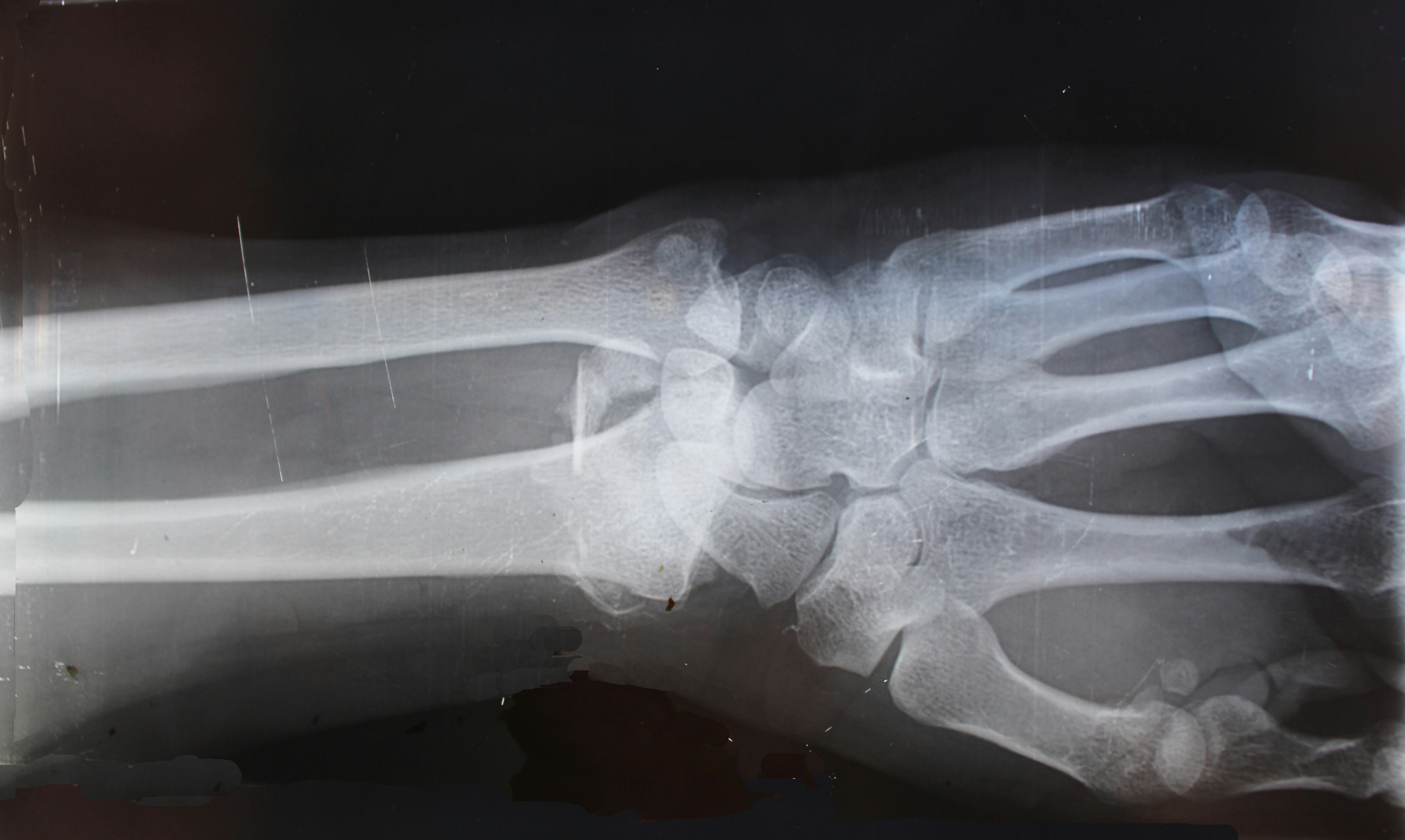
The X-ray was supposed to be routine. My doctor patiently listened to me, clicked the images onto the screen, and for a moment, silence.
He then told me that X-rays don’t reveal everything but sometimes they raise questions that deserve answers. Something about the injury paired with my age made him want to look deeper. He suggested further testing, just to be sure.
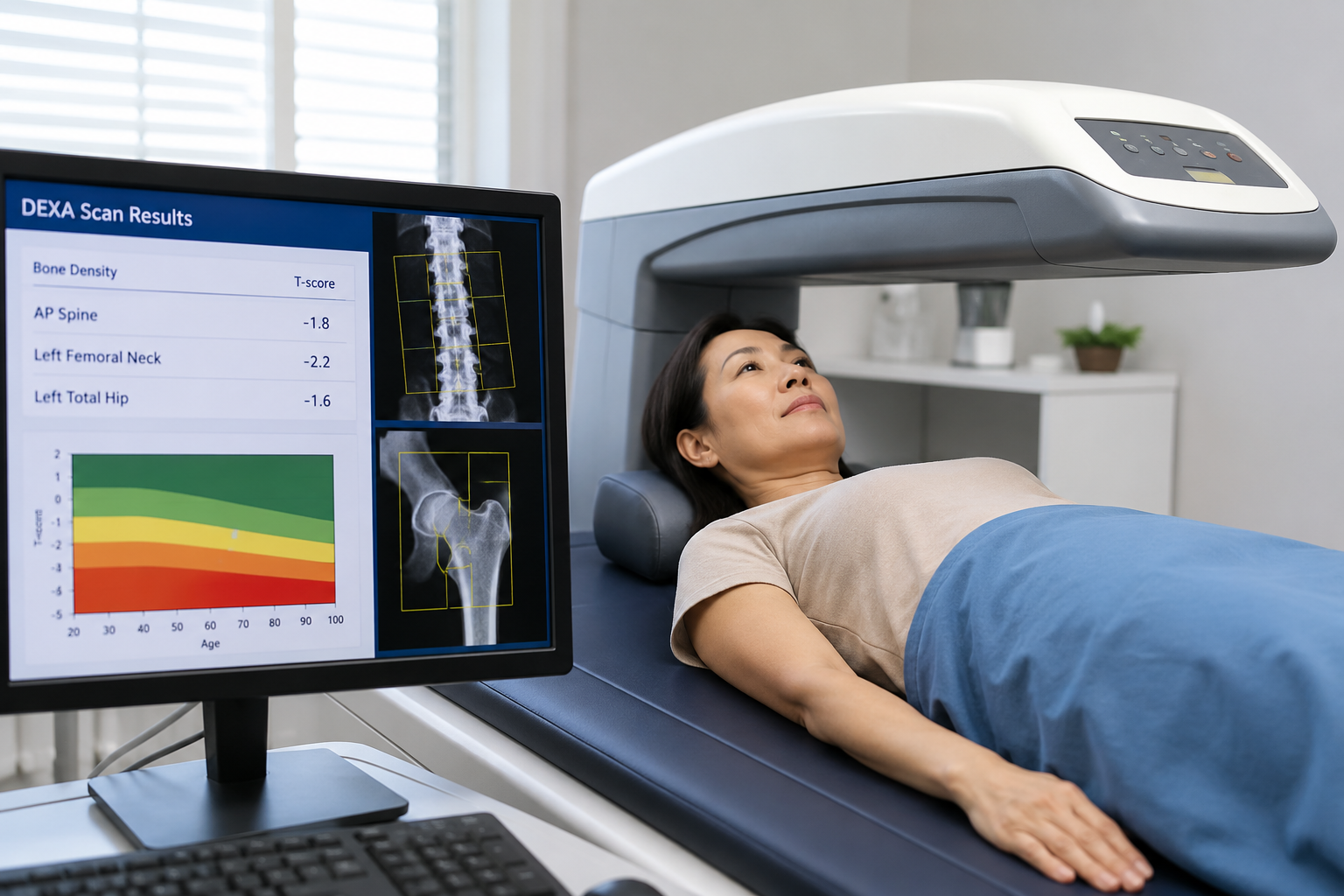
The next step was a bone density test, specifically a DXA scan, which helped assess my fracture risk. When the results came back, he told me the news many women my age face, “You have postmenopausal osteoporosis.”
My world didn’t fall apart, but it tilted. A million thoughts raced through my head. “Did I do something wrong? Should I have eaten differently? Was this something I inherited from my parents? Could I have done anything to prevent this?” And I even pondered, “Is this a shadow of the cancer treatments I survived eight years ago?”
I quickly learned that osteoporosis is often called a “silent disease,” and I understood why. My body whispered warnings from previous fractures. I chalked them up to clumsiness or age, but the truth was harder. My bones had been weakening quietly, privately, without permission.
My doctor explained that postmenopausal osteoporosis occurs when estrogen loss causes your body to lose more bone than it creates, leaving bones brittle and at risk of fracture. I also discovered that certain cancer treatments can contribute to lower bone density, so chemotherapy may have made my osteoporosis progress more quickly.
He recommended a treatment, an antiresorptive therapy, that he thought could help by slowing bone loss.
He also reassured me I wasn’t alone. Postmenopausal osteoporosis affects millions of women, yet many don’t even know they have the disease until a fracture derails their daily lives. And even then, not all fractures have symptoms, so someone can have a fracture without knowing it.
While I was frustrated to learn so many other women may be living with this condition, many unaware of the disease until something breaks, I was even more shocked to learn that once you’ve broken any bone from osteoporosis, your risk for additional fractures significantly increases.
But as I continued my journey trying many things – medications prescribed by my doctor known as bisphosphonates, supplements, even lifestyle tweaks – all things women are told to do to “take care of their bones,” something still felt off.
As a cancer survivor, I’d learned two critical things: listen to your intuition and there’s power of advocating for your own health. This new chapter was no exception. So, I sought a second opinion.
This time, I reached out to a specialist, a rheumatologist, who changed the course of my treatment. After reviewing my file, he recommended a different kind of medicine, one that not only focused on slowing bone loss, but helped my body to build new bone.
For the first time in months, I felt hopeful. It was empowering to know that I wasn’t just working to stop things from getting worse, but I would be taking steps to help build new bone as well. And with this hope came a realization. “It wasn’t your fault,” I told myself. It was scientific that my body needed extra support in building back my bone.
By navigating this process, I realized how easy it is for women who, like me, may dismiss their pain or wave off their fractures or minor injuries because we are conditioned to take care of everyone around us. I had done this for years.
Osteoporosis taught me that it’s easy to attribute a fracture to being clumsy or a sign of aging, but the reality is that postmenopausal osteoporosis is serious, and I felt empowered to be able to face it head on with my healthcare team.
I often think about the millions of women who may be living with osteoporosis without knowing it.
I want them to know that they’re not alone, and it’s okay and necessary even to ask their doctor about testing and treatment. That’s why I’m encouraging women who have been through menopause to speak with their doctor about testing and treatment and visit
BuildingYourBones.com to learn more.
My story started with a jammed finger, but it’s ending with a deeper understanding of my own strength, but the kind that bends, heals, and keeps going. I want to help others do the same.
Ann Larghe is the owner of her own executive assisting business and lives in North Carolina with her husband. She is an Amgen Patient Spokesperson. To learn more, visit BuildingYourBones.com to learn more about the disease and a treatment option.
Looking for more information about menopause, healthy aging, and the changes women experience in midlife? Visit our Menopause Library for expert advice, personal stories, and practical resources.