By Anna Elton

If soulmates exist, the odds of finding one are probably terrifyingly low. And yet, somehow, I found mine at sixteen. When we met, neither of us knew where life would take us. We certainly didn’t know that our relationship would survive into adulthood, marriage, parenthood, careers, stress, and twenty-five years of life together. All we knew was that we were in love. I suppose that is how romantic stories begin.
Unfortunately, not all love stories have a happy ending. Some end after months, others after years. Many relationships are tested by distance, life circumstances, betrayal, or the realization that two people are no longer moving in the same direction. There was nothing about our story that guaranteed it would be different. We were just two teenagers trying to understand ourselves while learning how to love.
For a long time, I believed the hardest part of love was finding the person you’re meant to be with. Popular culture certainly reinforces that idea. We are told that happiness begins when we finally meet “the one.” But over time, I learned that finding the right person and sustaining emotional connection and desire over time are two entirely different challenges.
When people hear my story, the reactions split in two. Some say it gives them hope that love exists. Others say, “Well, you never had to go through the hardship of online dating.” Both miss the point. They often assume I found the formula early. The lucky girl who met her soulmate young and lived happily ever after. But long-term love does not freeze people in time. People evolve, and so do relationships. What many people don’t realize is that neither of us came from a blueprint for healthy love. Both of our parents stayed married, but staying married and having a happy relationship are not the same. We grew up in households where conflict was common, where arguments could last for days, and where connection often felt fragile. Without realizing it, we carried many of those lessons and assumptions into adulthood.
In the early years, our relationship followed a familiar pattern of breaking up, getting back together, pulling apart, and finding our way back again. Looking back now as a therapist, I can recognize dynamics that I could not see at sixteen. My husband desperately wanted closeness, but closeness also scared him. The closer we became, the more likely he was to pull away. Today I might describe that pattern as disorganized attachment, a push-pull dance between the fear of abandonment and the fear of vulnerability. At the time, all I knew was that every time we walked away, we never stayed apart for long. But when we decided to get married, eight years after we first met, I made a promise to myself. I did not want us to simply inherit the relationship patterns we had been given. I did not want our marriage to become another chapter in a long story of intergenerational trauma and hurt. We could not change where we came from, but we could choose the family dynamic we wanted to create.
And as time passed and we became parents, that commitment took on even greater meaning. Today, we are raising three boys with big personalities and strong opinions. As a mother, one of my greatest hopes is that they grow up with a healthy understanding of love, emotional closeness, respect, and connection. Children learn far more from what they witness than from what they are told. They watch how their parents communicate, how they handle conflict, how they repair after disagreements, and whether affection and emotional safety exist inside the home. My husband and I realized that we had a choice. We could continue the patterns we inherited and hope our children somehow found a different path, or we could break the cycle ourselves. We chose the second option. We wanted our boys to see that a healthy relationship does not mean two people never disagree. They absolutely do. The difference is that they learn how to work through those disagreements and remain on the same team even when life becomes difficult. We wanted to provide a foundation that neither of us fully received growing up.
In many ways, that commitment became one of the driving forces behind both our marriage and work helping individuals and couples build strong, healthier relationships. What I believe is that lasting love rarely happens by accident. It is shaped by small intentional choices couples make every day. Finding the right person matters, but learning how to grow together after you find them matters even more.
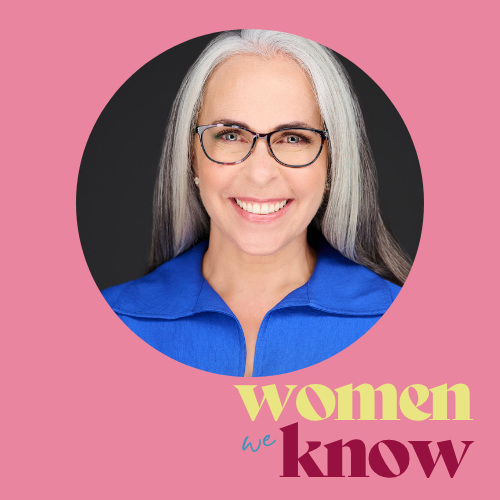
Dr. Anna Elton is a Licensed Marriage and Family Therapist, Clinical Sexologist, and author. Drawing from more than two decades of marriage, motherhood, and clinical experience, she explores the realities of love, intimacy, and long-term relationships. She is the author of The Formula of Desire and writes about how relationships evolve over time.
Looking for more conversations about love, relationships and everything in between? Click here.