Allyson Mandelbaum and Alix Abbamonte, co-hosts of the Nostalgia Nerds podcast
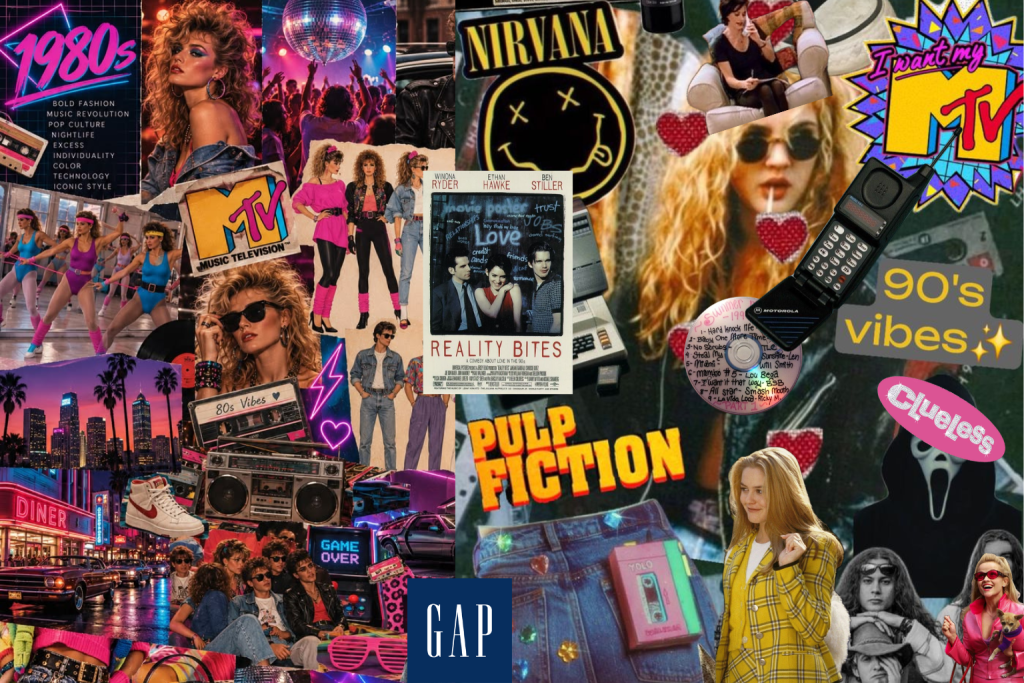
From movie reboots and television revivals to the return of iconic fashion brands, one thing is clear: We are living in a nostalgia-driven moment. The Gap is enjoying renewed cultural relevance, Delia’s has found its way back into retail through Target, and ’90s-inspired looks reminiscent of Clueless are once again influencing what people wear!
The past isn’t simply making a comeback on our screens. It’s showing up in our closets, shopping carts, social media feeds, and everyday conversations. Why now? And what is it about the ’80s and ’90s that continues to resonate with audiences who lived through those decades, as well as younger generations discovering them for the first time?
As the hosts of the Nostalgia Nerds podcast, where we revisit the movies, television, music, fashion, and cultural moments that defined these decades, we see nostalgia as much more than a trend. It is an emotional connection to a time, a feeling, and sometimes even a version of ourselves that we want to revisit.
Nostalgia offers comfort in an uncertain world. Political divisions, economic uncertainty, rapid technological change, and the growing presence of artificial intelligence have created an environment in which many people feel uncertain or like they are constantly trying to keep up. Because of that, familiar cultural touchstones offer a welcome sense of stability. Rewatching a favorite sitcom, listening to a song that defined your teenage years, or slipping on your favorite flannel shirt can provide a connection to something recognizable when so much else feels unpredictable.
Nostalgia allows us to revisit memories associated with simpler times, even if those times were not necessarily simpler in reality. We tend to remember the emotional highlights of our past, often filtering out the everyday frustrations and challenges that existed alongside them. For example, when people say they miss the ’90s, they may not be longing for the decade itself as much as they are longing for who they were during that period of their lives. In that sense, nostalgia is not always about wanting to go backward. Sometimes it is about reconnecting with a part of ourselves that feels harder to access in the present.
Fashion has a unique ability to transport us through time because clothing is something we physically interact with. A particular pair of jeans, a familiar logo, or a favorite sweatshirt can bring back memories of where we were, who we spent time with, and how we felt when we first wore it.
That emotional connection helps explain why brands associated with the ’80s and ’90s continue to find new audiences. Consider Gap. It evokes family shopping trips, iconic advertising campaigns, and a distinctly recognizable chapter in American pop culture. Its clothing has remained wearable across generations, while its cultural associations give familiar pieces a meaning that extends beyond their practical function.
We both have personal connections to the brand. Shopping at Gap can bring back memories of going there with our own mothers, and now those experiences are being repeated with our children. The clothes remain relevant, but the memories surrounding them make the experience feel personal.
Gap also occupies a special place in the cultural landscape of the ’90s. Its memorable swing-dancing commercials and appearances in films such as Reality Bites helped establish it as part of the era’s visual identity. Seeing the brand regain attention today is a reminder that pop culture and consumer behavior are often intertwined.
The return of ’90s-inspired fashion, from looks associated with Clueless to the revival of once-beloved mall brands, works in a similar way. These styles are recognizable, but they also give consumers an opportunity to revisit an aesthetic that feels expressive, playful, and familiar. The lesson is that nostalgia works best when it is rooted in something authentic. A logo or archival design can catch someone’s attention, but a genuine connection to a memory, an identity, or a cultural moment is what can make the product meaningful.
Nostalgia will continue to evolve as new generations develop their own formative cultural memories. Today’s defining movies, music, fashion, and television shows will eventually become tomorrow’s throwbacks. And now, the process of revisiting the past is faster and more visible. Social platforms, streaming services, and retail collaborations make it easier for familiar cultural moments to reappear in new forms, sometimes decades after their original popularity.
People want to feel connected—to their memories, to other people, and to their past. That is why the return of a familiar brand or a beloved television show can feel like more than another trend. It gives us a moment of recognition, a reminder of where we came from, and an opportunity to share that experience with someone new.
About The Als: With over 40 years of friendship and a combined 40 years in media, Allyson and Alix took their long-running friendship, love of all things 80’s, 90’s & nostalgia and their knowledge of the media industry to create the podcast, Nostalgia Nerds.
Allyson spent over 20 years as a reality TV producer, working on hit shows like Teen Mom, Catfish, and 90 Day Fiancé. She ultimately served as Director of Unscripted Programming at AMC before moving to entrepreneurship. Alix’s experience combines a background in reality TV production at MTV, Bravo and OWN with a move over to PR in traditional media relations.
Together, they are the Co-Hosts of Nostalgia Nerds. Nostalgia Nerds is your rewind button to the best decades ever—the 80s and 90s. From iconic movies and TV shows to pop music, toys, trends, and totally rad moments that shaped a generation. Relive the magic, the mess, and everything in between.
Speaking of nostalgia, remember when we watched Clueless and thought Cher Horowitz had life figured out? Turns out, watching it as a mom in midlife is a whole different experience. Read From Cher to Chaperone: Watching Clueless as a Mom in Midlife for a fresh look at an old favourite.