Dr. Kris Lonsway

How brain health research helped me replace fear with hope.
My mother, Judy, was warm, outgoing, and happiest when surrounded by family. When she began misplacing things, repeating stories, and searching for words, we hoped these were normal signs of aging.
But the changes became harder to dismiss. She couldn’t follow favorite recipes or balance her checkbook. She got lost driving to her neighborhood pharmacy and sometimes left her car running unattended. We convinced her to stop driving.
When Mom entered memory care, she was so personable she could have been mistaken for an employee. Over the next four years, Alzheimer’s robbed her of the ability to walk, talk, and eat independently. Watching someone who loved connecting with others lose the ability to communicate was especially heartbreaking.
Mom’s symptoms began in her early 60s. My grandmother also developed dementia and died at just 62. With two generations of women in my family affected, I couldn’t escape one question: Am I next?
That fear deepened when I learned I carry one copy of APOE4, a genetic variant associated with increased Alzheimer’s risk. Yet the more I studied brain health, the more fear gave way to hope. Our family histories matter, but they don’t determine our destiny.
Why women should pay attention
When I speak with women over 50, many tell me about a parent or spouse with dementia. Some are caring for loved ones while wondering whether they’ll face the same diagnosis.
Nearly two-thirds of Americans living with Alzheimer’s are women. Women also account for approximately two-thirds of dementia caregivers. Longer life expectancy partly explains the difference in diagnoses, but researchers are investigating hormonal, biological, and social factors, too.
Between menopause, careers, aging parents, and family responsibilities, women often put everyone else’s needs ahead of their own. But protecting our brain health deserves to be a priority, too.
The changes can start decades earlier
Alzheimer’s doesn’t necessarily begin when memory problems become noticeable. During the preclinical phase, disease-related changes, including amyloid plaques and abnormal tau, can develop 10 to 20 years or longer before symptoms emerge.
Not everyone with these changes develops dementia. Still, that long, silent period makes a compelling case for prioritizing brain health before anything seems wrong.
The research that changed my outlook
The 2024 Lancet Commission identified 14 modifiable dementia risk factors, including physical inactivity, hearing loss, high blood pressure, elevated LDL cholesterol, diabetes, depression, and social isolation. Its researchers estimated that addressing these factors could potentially prevent or delay nearly 45% of dementia cases worldwide.
That’s a population-level estimate, not an individual guarantee. Age, genetics, and circumstances beyond our control still matter. Yet these findings challenge the idea that dementia is an inevitable part of aging.
The 2025 U.S. POINTER study offered more encouragement. In this two-year clinical trial, older adults at increased risk of cognitive decline improved on cognitive testing through lifestyle programs involving physical activity, nutrition, cognitive and social engagement, and health monitoring. Those receiving structured guidance improved more.
While the study didn’t establish that these interventions prevent Alzheimer’s, it showed that older adults can improve their cognitive performance through lifestyle changes. To me, that’s hope grounded in science.
Six habits worth building
I’ve put these findings into practice in my own life and share them through my coaching and OptWell, the nonprofit I founded to promote healthy habits. My goal isn’t perfection. It’s making healthy choices enjoyable and sustainable.
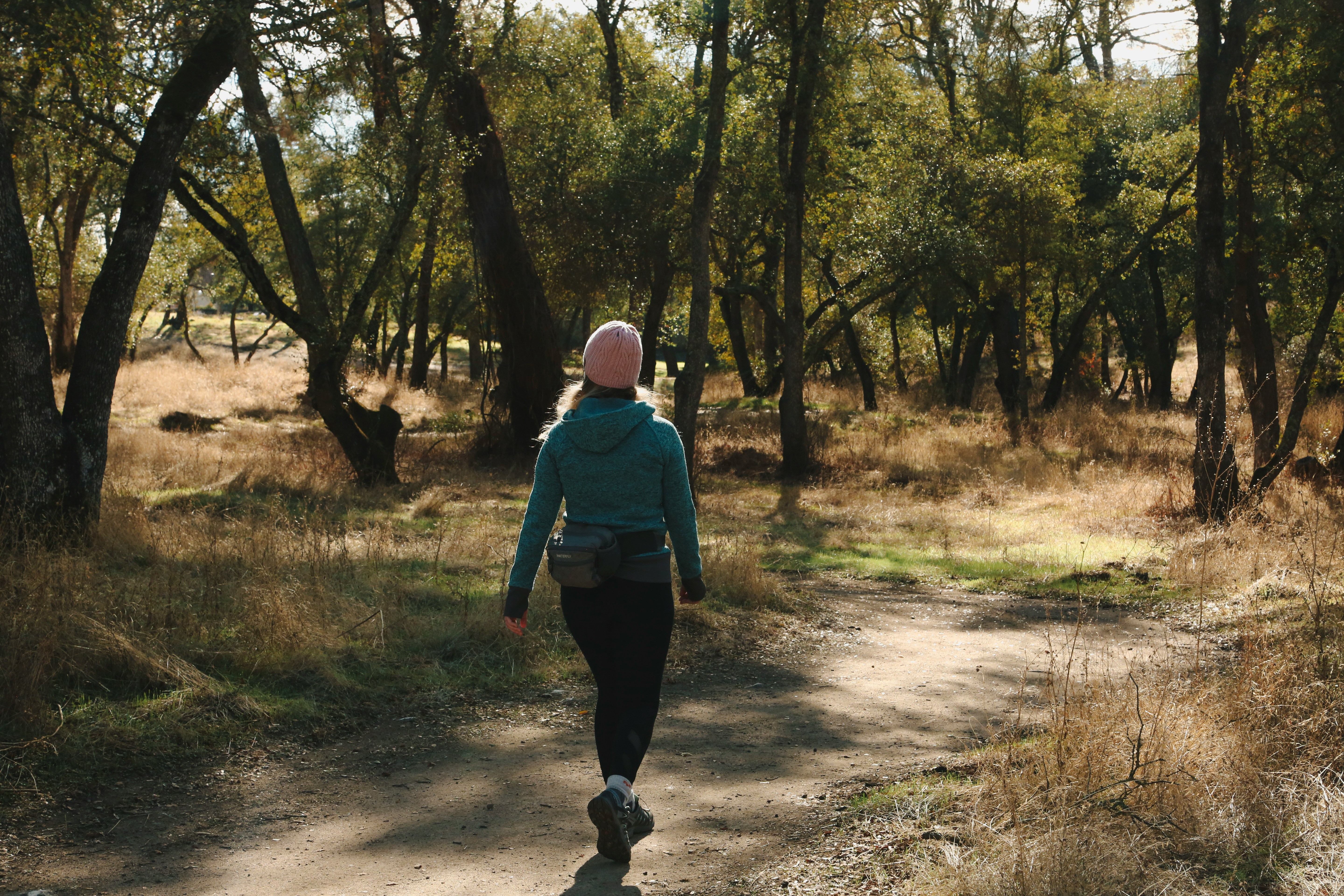
- Move your body. Walk, dance, swim, lift weights, or play tennis or pickleball. Choose activities you enjoy, preferably with others.
- Nourish your brain. Mediterranean-style eating and the MIND diet (Mediterranean-DASH Intervention for Neurodegenerative Delay) emphasize dark leafy greens, berries, nuts, whole grains, and olive oil. Think delicious food, not deprivation.
- Protect your sleep. Most adults need at least seven hours nightly. If you snore heavily, wake frequently, or feel tired during the day, talk with your healthcare professional about improving your sleep or checking for sleep apnea.
- Manage your health. Monitor your blood pressure, cholesterol, and blood sugar, and address hearing and vision changes. Many of the same factors that affect heart health also influence brain health. What’s good for your heart is often good for your brain.
- Stay curious and connected. Learn a skill, nurture friendships, volunteer, or join a group. Caregiving can be isolating; connection is especially valuable then.
- Care for your mental well-being. Take depression and chronic stress seriously. Ask for help, especially if you’re supporting a loved one with dementia.
Start with one manageable change. When friends, families, and communities build healthy routines together, those habits become easier to sustain.
Choosing hope
I still carry APOE4, and I know healthy living cannot guarantee I’ll avoid Alzheimer’s. But I no longer live with the same fear. The habits I’m building aren’t just about protecting my brain for the future. They’re helping me live a healthier, more fulfilling life today.
This November, during Alzheimer’s Awareness Month, I hope more women recognize that while we can’t control everything about our future, we have more power to influence it than we might realize.
It’s never too early or too late to adopt brain-healthy habits. And hope is a powerful place to begin.
Dr. Kris Lonsway is an organizational psychologist, leadership coach, wellness advocate, CEO of The Lonsway Group, and the founder of OptWell. For more than thirty years, she has helped leaders and organizations navigate change, strengthen culture, develop talent, and build thriving, high-performing teams.Through coaching, speaking, writing, and community leadership, she helps people lead with greater awareness, intention, and impact.
Throughout her career, Kris has served as head of human resources and organizational effectiveness, led teams and global initiatives, coached executives and emerging leaders, taught MBA leadership courses. She is also the founder and president of OptWell, a nonprofit serving Chicago’s western suburbs and surrounding communities. Inspired by her family’s experience with Alzheimer’s disease and her own genetic risk, she is passionate about translating emerging brain health science into hope and action.
Kris lives in the Chicago area with her husband and enjoys spending time with their two young adult sons. She is also the author of the book, Mindful Leadership: Lead with Intention. Build Thriving Teams. Create Lasting Impact.
For those of us caring for aging parents while worrying about what our own futures might hold, it’s easy to lose sight of our own needs. If you’re feeling the weight of being everything to everyone, A Love Letter to the Caregivers: To Hell With the Sandwich Generation is for you.