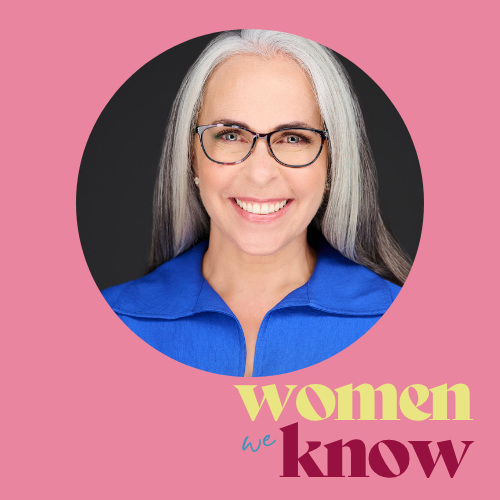
In 1996, Diane Maiese became the first black athlete to win an NCAA championship in diving. Five years later, at the University of Denver, she became the first black female Division 1 diving coach. However, after a successful career that included coaching an NCAA qualifier and being awarded coach of the year 5 times, she left the world of competitive diving and coaching to teach middle school math and raise her son. Now, she has returned to the competitive world of international diving with a mission to increase diversity in the sport and make it accessible to underrepresented communities. She’s Got Issues sat down with Diane to learn more about her journey and this new chapter.
Can you share a bit about your career journey and what brought you to this new chapter?
Diane: My diving story began almost accidentally. At 13, I was a competitive gymnast and had just suffered a significant injury. Diving was suggested as an alternative and my parents found a local year-round diving program for me. At that time, I was faced with challenges I didn’t quite understand. I was adopted by a loving, white, upper-middle-class family, and my parents ensured I had access to every opportunity. However, I had a difficult time finding a program, team, or coach willing to train me. Diving has historically been a white sport and I was told repeatedly that it was not the right sport for me since I did not “look like” the other divers. At 16, I was attending a summer camp and was spotted by the US Olympic diving coach who encouraged me to move to Florida and train with him, which I did. My Olympic dreams were derailed after another injury, but I was able to dive competitively in college and won an NCAA championship. After college, I coached diving at the collegiate level. A few years later, I had my son Trevor and I switched careers to provide a more stable home life for my son. I am a single mom and became a middle school math teacher so that I could have a schedule similar to his.
What was the turning point that made you decide it was time for a change?
Diane: When Trevor graduated from high school, he went to England to play soccer and for the first time in 18 years, I was able to look at my career and prioritize myself. It was around this time that I was informed that, in the 25+ years since winning my NCAA National Championship, no other black female diver had repeated this accomplishment. It was then that I recognized that I had truly been a trailblazer in the sport, and I set a goal to change the landscape of diving and find ways to provide accessibility. I know that had I not been adopted by my parents, I would not have had an opportunity to jump off a diving tower. Over the years, I had set up a local year-round diving program, DiveRVA, in my hometown of Richmond, VA, focused on introducing diving to underrepresented communities and I decided it was time to turn it into something bigger.
What were the biggest challenges of starting over in midlife?
Diane: Having already switched careers once in life, I knew it would be hard, but I could do it again. I loved diving and was driven by a passion to bring it to others, but I didn’t have a business background. I learned quickly that the biggest part of running your own business is everything. I didn’t know how to raise money, I didn’t know how to run a business, especially not a non-profit. I learned new skills – how to write grants and ways to fundraise. I still get imposter syndrome, but I am driven by the impact that we are making in people’s lives.
How are you changing the landscape of diving?
Diane: While expanding DiveRVA, I also created a non-profit, Diver City, which hosts life-saving water safety skills events. Seventy-nine percent of children in low-income families have little-to-no swimming abilities. Diver City was created to give kids across the country access to life-saving water safety skills and bridge the gap in participation in aquatic sports and diving through fun and engaging clinics and events featuring athletes and coaches from diverse backgrounds. We have hosted 4 events and have been working tirelessly to introduce this sport to an entirely new group of future divers. On a personal level, I continue to be involved with diving at an international level – I am the only black female world-certified aquatics judge from the United States and able to judge diving events internationally. I am also the female representative from the USA on the PanAm Aquatics Executive Board and the liaison for diving and high diving. Through these roles, in addition to Diver City and DiveRVA, I am able to push the sport at all levels.
What motivates you?
Diane: My athletes. Since we began, I am motivated by the daily accomplishments of these athletes and the program as a whole. I am driven by both my divers who have finaled at big events and those who get in the water for the first time, because finally, there is someone who looks like them to be a role model. I am constantly sharing our story and while momentum is slow and sometimes challenging, that’s what keeps me going. I am also motivated by the fact that to this day, I am still the only black female diver to have won an NCAA championship, which is a distinction I am determined to change.
What advice do you have for other women considering something new at midlife?
Diane: It sounds cliche, but if you want to do something that you love and are passionate about, you have to do it. As a single mom, I know it’s scary to take such a risk, especially such a financial one. But times are different now for female entrepreneurs. There is an army of women who will support and help you. Although it sometimes feels like it, you are not alone and people can and will help you.
Diane Maiese’s journey reflects resilience, purpose, and an unwavering commitment to opening doors that were once closed to her. From breaking barriers as an NCAA champion to stepping away for motherhood and returning with a renewed mission, she has transformed personal adversity into collective opportunity. Through DiveRVA, Diver City, and her international leadership roles, Diane is not only redefining what representation in diving looks like, but also ensuring that future generations—especially those from underrepresented communities—can see themselves in the sport. Her story is a powerful reminder that trailblazing is not just about personal achievement but about using one’s platform to create lasting, inclusive change.