Marcia Dawood

Money guilt can be subtle. Many women carry it quietly, woven into their daily lives. Instead of showing up loudly, it often lingers in the background, shaping thoughts and decisions. Often, it whispers. You don’t need that. Who do you think you are? This isn’t just about what we buy or want. It’s about what we believe we deserve. And far too often, women believe they deserve less.
Understanding Money Guilt
Money guilt is the emotional struggle women experience when they want, earn, save, or spend money. It is internal, often unseen by others, but deeply felt. It can appear as shame for wanting more, discomfort with success, anxiety about spending, or hesitation to invest.
Money guilt is what you feel. Playing small is something you do. Turning down a raise. Downplaying your financial wins. Staying silent about your success to avoid judgment or seem relatable.
Until we recognize these emotional patterns, they continue shaping our behavior in ways we often don’t even see.
The Personal Cost of Guilt
Marissa hesitated for weeks before buying a handbag she loved. The cost wasn’t the issue. Her guilt was connected to her sense of worth. Even after earning the money through a bonus, the purchase still felt selfish. Instead of a reward, it became something she questioned. The moment of joy faded into discomfort.
Elena, a new mother with a successful career in tech, avoided discussing money with other mothers. Her financial situation was secure. She wasn’t worried about diapers or daycare. However, when others expressed concerns, she nodded in agreement and shifted the topic. Her guilt didn’t stem from financial hardship; she felt bad for being comfortable while others struggled.
These stories reflect a common pattern many women experience. Guilt isn’t just associated with spending; it often stays around having, wanting, or enjoying money.
What Financial Fluidity Looks Like
Financial fluidity is a mindset and strategy for aligning your money with your goals and life. It is the ease with which you navigate your finances, grounded in your values.
Money guilt disrupts this ease. It turns everyday choices into emotional minefields. We second-guess purchases, shrink when we succeed, and avoid learning more about money because we worry we’ll feel overwhelmed or undeserving.
Sometimes we stick with things that no longer serve us simply because we don’t want to feel like we’ve wasted money. We watch shows we’re not into, keep products we don’t use, and eat the free snacks we don’t even like—just because we paid for them. Especially with subscriptions, we confuse commitment with value. Guilt steps in and convinces us to stay, even when we know better.
But these feelings often stem from external messages we’ve absorbed over time. Women are praised for being careful, humble, and modest with money, and criticized when we’re bold, successful, or unapologetic.
How to Begin Releasing Money Guilt
1. Name what you’re feeling
Pay attention to moments when you feel a twinge of guilt about money. Whether you’re making a purchase, earning more, or enjoying something you’ve worked for, tell yourself, “This is guilt talking.” Naming it helps you separate the emotion from your true values.
2. Ask where it came from
Much of the guilt women carry is inherited. It may come from childhood, cultural expectations, or professional norms. Ask yourself: Who gave me this belief? Is it still true for me? Do I want to keep carrying it?
3. Choose a more supportive thought
Instead of dwelling on guilt, try thoughts that reflect your current values. For example: “This supports my wellbeing.” Or “I’ve earned the right to make this choice.” Even small shifts in language can create room for new behavior.
4. Take a step anyway
You don’t have to eliminate guilt before you act. Spend the money. Celebrate the achievement. Speak up. Set the boundary. Let the guilt be present without giving it power.
Talk About Money More Often
When we stay quiet about money, shame grows. Silence makes guilt feel like a personal flaw instead of a shared experience. The more we talk about earning, spending, saving, and learning, the less isolated we feel.
Marissa, Elena, and Dana, a CFO who avoids saying her title at parties, each represent how guilt shows up in different financial realities. Whether it’s guilt about spending, having, or succeeding, the root feeling is the same. A sense that it’s not okay to fully claim what you’ve earned or want.
These feelings don’t always disappear as you earn more. Sometimes they deepen. The stakes feel higher. The judgments feel louder. Which is why we need practice and community to challenge them.
Reclaiming Power Through Practice
Releasing guilt isn’t a one-time shift. It’s a practice. Each time you choose to make a decision that aligns with your priorities, even if you feel uneasy, you’re building trust with yourself.
Financial fluidity comes from that trust. Not from always knowing the right answer. But from allowing yourself to learn, adjust, and own your choices.
You have the right to spend, save, invest, and grow. Not with apology. But with clarity.
Final Thought
Money guilt tells you to shrink. Financial fluidity lets you expand. The more you recognize the patterns and challenge them, the more space you create for yourself.
Choose what aligns with your values. Choose what feels right for your life.
Keep choosing yourself.
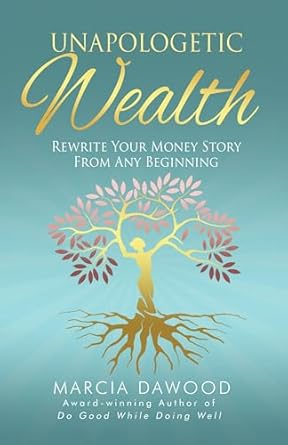
Marcia’s book Unapologetic Wealth will be available on March 31, 2026.
Marcia Dawood is an early-stage investor and national leader in expanding women’s access to capital, now championing a bold new message with her forthcoming book, Unapologetic Wealth (March 10, 2026). As Chair of the SEC’s Small Business Capital Formation Advisory Committee, a venture partner with Mindshift Capital, and chair emeritus of the Angel Capital Association, she has helped rewrite the rules of who gets to build and benefit from innovation. She founded the ACA’s Growing Women’s Capital Group and has invested in more than 50 early-stage companies and funds, always pushing for diversity, impact, and financial agency. Marcia is also the award-winning author of Do Good While Doing Well and a TEDx speaker whose work inspires women to step into wealth with confidence and zero apology.