Renee Zukin

I looked down at my phone, my thumb hovering over the send button. My stomach was in knots, my mind raced, worried that I might be sick–or get sick–and I was moments away from cancelling a lunch date with a friend I’d been eager to see for months. I took a deep breath and reminded myself that I often feel this way before social events. I reasoned that what usually happens when I forge ahead anyway is that I’m fine once I get to where I’m going. It’s the anticipation that sounds the internal alarms.
We hear it often, this refrain that we need to “trust our gut,” that our gut is our intuition, the true self guiding our choices and actions. But what if anxiety turns our guts into a wrangled mess? What if the lies that fear tells us and the voices of doubt and worry are so loud that they drown out the still small voice that’s supposed to be pointing us on the right path?
I deleted the message and grabbed my keys. My gut may have been telling me to stay home and curl up in bed where it’s safe, but another part of me knew something better was in store if I was willing to take the risk.
Anxiety can hijack the nervous system, creating false alarms that don’t quite match the actual level of threat. For folks who experience anxiety, the physical symptoms are hard to ignore. Stomach ache, nausea, trembling, chills, hot flashes, and more. So it stands to reason that it’d be easier to just avoid whatever it is making us feel this way and call it a sign. We can misinterpret these symptoms as a warning signal to not go through with a plan, an activity, or a choice when in actuality, the resistance that comes up has nothing to do with what’s actually in front of us. Meeting my friend wasn’t a threat, even if I worried about what to talk about, or that I might have to excuse myself to use the restroom. It wasn’t a good enough reason to miss out on connecting with someone I adored.
So how do we trust ourselves when the sirens are on full blast? How can we tap into our intuition alongside fear? Instead of relying on the loud and spinning thoughts, we can call in our observer. Our observer is the part of us that bears witness to the thoughts, feelings, and experiences we have from a place of nonjudgment and nonattachment. It’s the one hearing you think your thoughts, the one who is aware that you are imagining a tree with yellow leaves, and now green ones. That part is the one that can help you tap into your wisdom, and it takes some time to be present with it.
In the practice of mindfulness the observer helps us allow thoughts to come and go, like clouds passing the sky. You can notice, but not get stuck on them. In the practice of Dialectical Behavior Therapy (DBT) the wise mind is the balance of emotion and reason. In the example above, reminding myself about what happened in a previous, similar scenario allowed me to look at the evidence of how my lunch date would likely go, and not rely on the worry of how it could go. It allowed me to remind myself that emotions shift, and I won’t feel like this forever, so I could wait it out a little longer or start moving. I knew I had to do something different then just sit there and quit, so the wise mind looked at the evidence, acknowledged the feeling, and took action.
Action is actually the antidote to anxiety, even though that may seem counterintuitive. Anxiety is a restless mind, and it’s harder to move out of a thought loop with taking some sort of action. (Get up and walk, stretch, call a friend, put on your favorite song…) Doing something changes the circumstance, moving the body moves the energy and clears the mind. It’s science.
A powerful word to know and understand is discernment. It’s defined as “the ability to judge well.” But it’s far more than that. Discernment allows you to tell the difference between anxiety and intuition. It helps you notice patterns of thought and behavior that reveal, over time, what is true for you. It allows you to recognize the noise as mental clutter and the quiet stillness of inner knowing. You can cultivate discernment with practice.
The first step is to pause. Just take a moment to become aware of sensations, thoughts, feelings in the body and just allow them to be there.
Then get curious, without judging those sensation, thoughts, or feelings as good or bad. What could they be pointing to? Is it fear talking? If so, what is it afraid of?
If it turns out that the big fears are only there to protect you (in the example above, from potential embarrassment or discomfort) and the benefits of taking a step toward the experience (connecting with a friend, making good memories, feeling loved) then you can decide to do the thing anyway.
That’s courage, and the more you compassionately practice courage, the bigger and more beautiful your life will become.
Fear masked as wisdom keeps us from learning and growing. We end up staying stuck in self-protection above all else, and our world can become smaller and smaller. With the right support, tools, and a lot of compassion, however, we can make different choices about how we navigate anxiety. We can be brave enough to pause and get curious with what we are thinking and feeling, not judge it. We can be willing to take a step toward the scary thing, acknowledge it, and watch as some of the tension melts away. We can decide that the benefits of getting together with your bestie over lunch far outweigh the risk it took to get there.
—
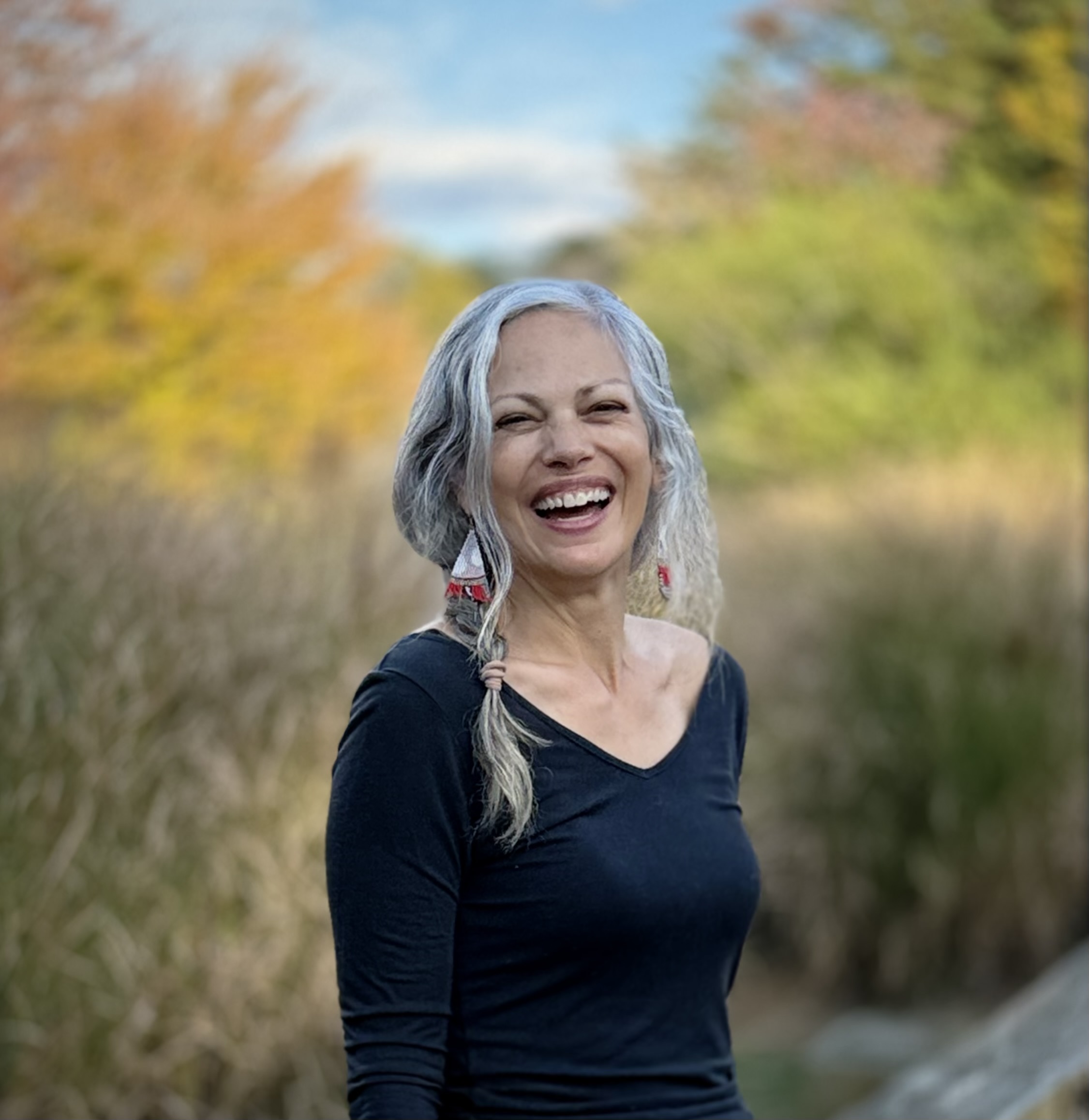
Renee Zukin is an author, educator, coach, and mental health advocate with over 20 years of experience helping others find healing and empowerment through writing and personal growth. She is also the author of the book Every Day, I’m Brave: Cultivating Resilience to Gain Freedom from Fear. Learn more at reneezukin.com.