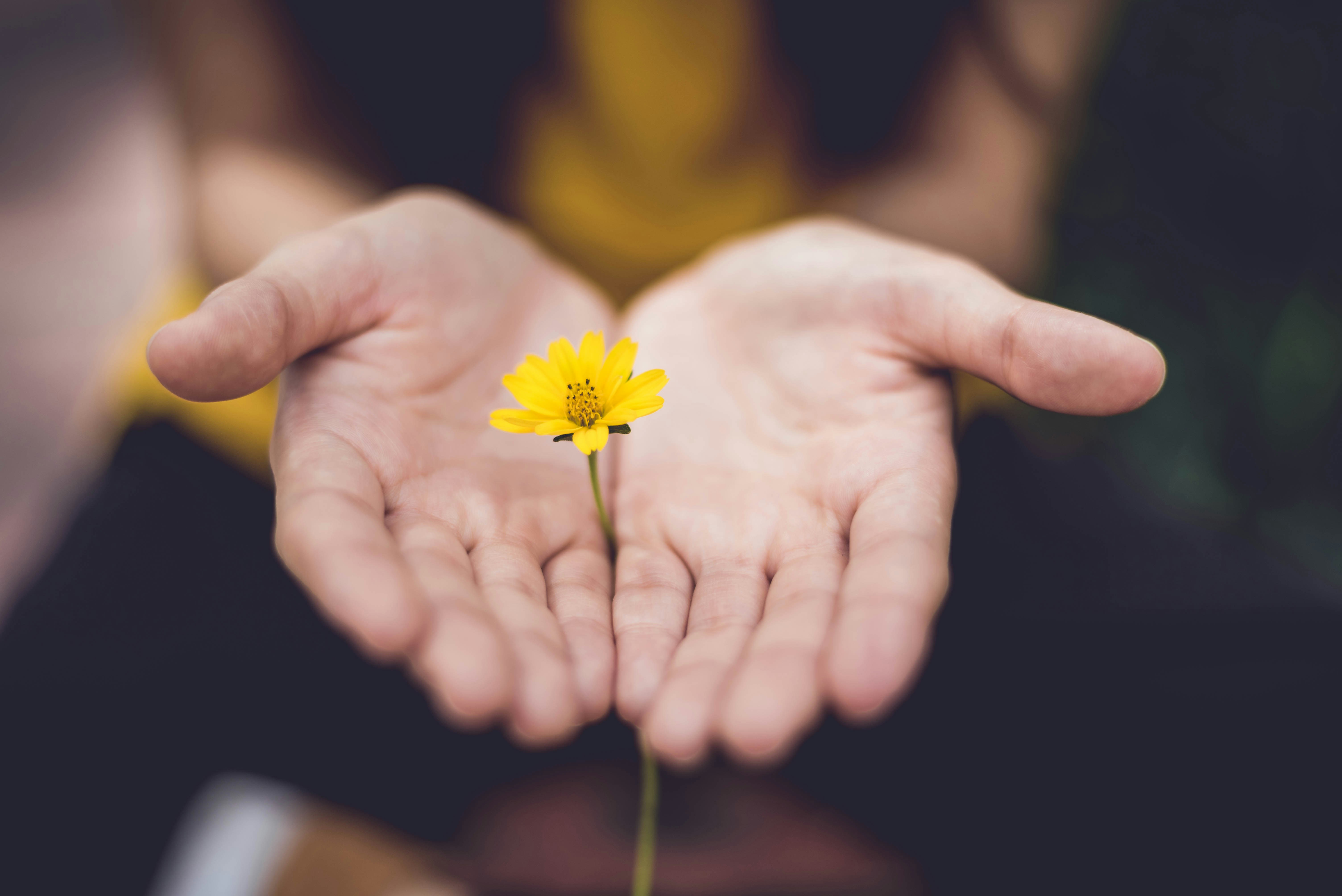
Dry January isn’t about giving up alcohol forever or dramatically reinventing your personality. It’s just a one-month experiment—a reset, a pause, a chance to see what life feels like without your usual glass of wine, cocktail, or nightcap. No labels, no pressure, no explaining yourself to anyone at dinner. You’re not “quitting”; you’re simply trying something different and paying attention to what happens.
The sober-curious movement keeps gaining momentum, and with it comes a new wave of creative ways to unwind, reset, and, yes, actually enjoy the month without reaching for a drink. If you are attempting Dry January, our editors found The Sober Curious Activity Book by Niesha Davis, a helpful book to make that experiment easier (and way more fun). Think alternatives to pouring a drink, simple routines that help you unwind, and ideas that make you feel good instead of deprived. Whether you’re in it for better sleep, clearer mornings, or just to prove to yourself that you can, Dry January is your permission slip to switch things up—just for now—and see what sticks. Check out the excerpt below as well as her list of 31 Things to Do Instead of Drink.

The term “sober curious” came from the title of Ruby Warrington’s book, Sober Curious, which encourages people to reflect on their alcohol use and the role it plays in their lives. This behavior campaign is not for those looking to detox from alcohol or anyone dealing with dependency issues. Rather, it’s aimed at people looking to reduce their alcohol intake overall. One 2016 study found that people who drank less experienced better concentration and sleep, as well as a reduction in cholesterol and glucose levels.
A sober-curious lifestyle can take many forms:
- Taking a break temporarily. Think Dry January or Sober October initiatives
- Deciding to drink only on certain days or at certain times, like after 6 p.m. or on the weekends
- Doing more non-alcohol-focused activities
- Choosing not to drink, or to drink less at social gatherings
- Alternating between cocktails and mocktails while out
The First Step to Sober Curiosity
If you want to have a successful sober-curious journey, you’ve got to have a plan. Initiatives like Dry January or Sober October are a great way to ease into it, but you can also decide to decrease your alcohol use by drinking just once a week or having red wine only on the weekends, for instance.
Your Sober Tool Kit
A sober tool kit is essentially a collection of resources, strategies, and activities designed to support you as you explore sobriety or maintain a healthy, fulfilling, and sober lifestyle. Your sober tool kit encompasses a variety of elements that contribute to overall well-being, providing alternatives to substance use and enhancing your quality of life. Key components of a sober tool kit often include exercise, some type of media, like podcasts or books, creative outlets, and self-care routines.
- Exercise plays a crucial role in a sober tool kit. Physical activity not only improves physical health but also boosts mental well-being by releasing endorphins, which are natural mood enhancers. Regular exercise can help manage stress, reduce anxiety, and combat depression, making it an invaluable tool for anyone on a sober journey. Finding a form of exercise, whether it’s jogging, Pilates, or high-intensity interval training (HIIT), is essential to your sober journey.
- Podcasts, books, and even vloggers focused on sobriety and personal growth are also helpful resources. Seeing someone else go through your same struggles can be very empowering.
- Creative outlets are another vital part of a sober tool kit. Engaging in creative activities such as painting, writing, or playing music can be therapeutic and serve as a productive outlet for emotions. Creativity can help process feelings and provide a sense of achievement, offering a meaningful way to fill time that might otherwise be spent engaging in unhealthy habits.
- Self-care is a big part of maintaining sobriety and can be as easy as meditating, journaling, or taking a warm bath.
In essence, a sober tool kit can create a robust support system that helps you navigate the challenges of sobriety and build a rewarding, substance-free life.
Dry January
Though far from new, the sober-curious movement has been picking up steam in recent years. Dry January is a challenge where people abstain from alcohol for one month. Feeling uninspired or a bit intimidated? To help you get started, here is a list of things you can do to unwind instead of opening that bottle of wine. How many can you check off?
31 Things to Do Instead of Drink
1. Meditate.
2. Draw.
3. Exercise.
4. Hold a sober speakeasy or salon.
5. Do some chores.
6. Host a charcuterie party.
7. Read.
8. Listen to a podcast.
9. Make a mocktail.
10. Host a tea party.
11. Bake CBD brownies.
12. Take a class.
13. Go for a walk.
14. Watch an episode of your favorite TV show.
15. Call a friend.
16. Take a bath or shower.
17. Drink some coffee.
18. Cook.
19. Make a smoothie or juice.
20. Go to the museum.
21. Organize your home or do some cleaning.
22. Listen to some favorite songs from high school.
23. Give yourself a facial.
24. Plan a day trip.
25. Write a love letter to yourself.
26. Take yourself out on a solo date.
27. Ride a bike.
28. Get dressed up just because.
29. Learn a language on an app.
30. Dance.
31. Take a nap.
Excerpted from The Sober Curious Activity Book by Niesha Davis. Copyright © 2025 Ulysses Press. Reprinted with permission from Ulysses Press. New York, NY. All rights reserved.
About the Author
Niesha Davis is a Black American writer and editor currently residing in Chicago. As a health and wellness writer, her bylines include Prism, Health, Women’s Health, Everyday Health, and Livestrong. Previously she was the digital and sex editor for the lifestyle-feminist publication BUST. Niesha grew up in Cleveland, Ohio, and received her BA in theatre and English from The New School. In addition to working in media, she is an avid traveler and vlogger. Keep up with her on Instagram @brwnandabroad.