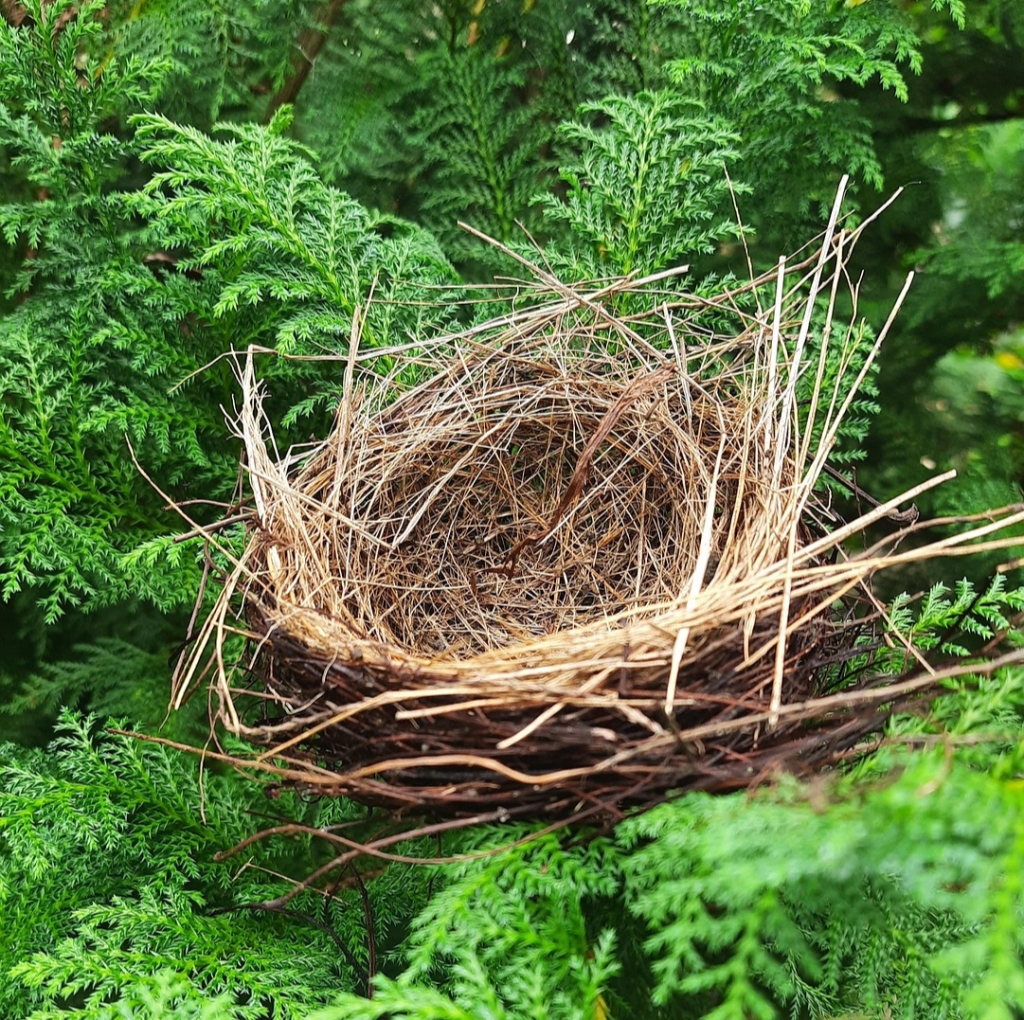
So the kids are out of the house—and now it’s just the two of you, standing in a quieter kitchen, sipping your coffee and thinking, “Okay… what now?” Welcome to the empty nest. For some couples, it feels like a long-awaited exhale, a chance to travel, sleep in, or simply enjoy a full conversation without interruption. But for others, the silence can feel a little unsettling. With all the parenting noise gone, you might suddenly notice things—about your partner, about yourself, about the state of your relationship—that were easy to ignore when life was busier. Maybe you’ve grown apart a bit, or maybe you’ve just forgotten how to be a couple without being parents.
This doesn’t mean something is wrong. It just means you’re entering a new phase—and like any major life shift, it takes adjustment. The beauty of this moment is that it offers a chance to rebuild, to rediscover what brings you joy together, and to ask new questions: What kind of life do we want now? How do we want to spend our time, our energy, our love? Whether it’s about reigniting intimacy, renegotiating routines, or simply learning how to have fun together again, the empty nest isn’t just a transition—it’s an invitation to create a relationship that fits who you are today, not who you were twenty years ago.
We sat down with renowned couples therapist and psychiatrist Dr Kathryn Ford, to discuss this topic.
What changes for couples as they become empty nesters? What gets better? Where can problems arise?
There are two times of enormous change in a couple’s relationship: when the children come and when they go. Both of these transitions involve gains and losses, challenges and opportunities. Many of the changes that occur when the kids leave home are both challenges and opportunities.
On the one hand your time, energy and attention are all significantly freed up. You have time to notice how you feel, to be curious about your partner’s experiences, to consider what you want next. Who are these two people that find themselves with the opportunity of re-making themselves and their relationship? But you may find yourselves feeling like you don’t know what to do with all this uninterrupted time together. You may feel insecure. Are you still attractive, sexy, fun? You may even find it uncomfortable to have more time to yourself. It raises questions about who you are now and what you want the next phase of your life to be like.
When the kids leave, there is a period of re-negotiation. You now have options that weren’t available before and you won’t always agree about what you want. You may find yourselves having difficult feelings and difficult conversations about things like chores, vacations or even where to live. This is normal. It doesn’t mean that one of you has become unbearably selfish or that you are mismatched.
There often is the problem of deferred maintenance. Being a happy couple requires a lot of time, attention and learning. During the years of raising children you haven’t been able to take care of and develop your relationship. Things between you may be in a bit of disrepair. This can feel pretty intimidating. Will you be able to fix what’s broken, feel close again?
If having an empty nest exposes a lull in your relationship, what are some tips to reconnect?
Emphasize the positive. The most important aspect of working together as a team to solve the problems is to establish a positive context. John Gottman’s research shows that in a couple that is doing well, their positive encounters with each other outnumber the negative 5:1! Develop the practice of noticing all the things your partner does that you like and make sure you comment on these. There are no “table stakes” in relationships. Nothing is to be taken for granted. Be generous with your appreciation.
Court each other. You are starting a new relationship, not continuing the one you had. Be curious and open to learning about yourself and your partner, which includes actively suspending assumptions based on the past. Let things be new. This includes trying out new ways of pleasing your partner and expressing love.
Sex. Almost all couples will find themselves needing to revisit and resume their erotic lives. And most will find that they are different erotically than in other times. Become explorers. And be sure to offer your partner reassurances and encouragement for all of the moments of awkwardness and uncertainty.
What are some ways to find joy and connection with your partner during this stage of life?
Time is your most precious resource and the thing your relationship needs the most. Spend time together even and especially if you no longer know how to do that. Experiment. Small pieces of time matter, like asking each other how your days went. And resume your dating life. Spend time having fun together. Also, be open and generous with giving time to activities that your partner likes, but which you, at least so far, don’t. She likes golf; you don’t. Go golfing. He’s always wanted to see Chicago; you not so much. Take a trip to Chicago.
Celebrate the time that you had with your kids. Enjoy your memories together. Especially, sharing happy memories of time your partner did a good job with the kids. And laugh together about some of the difficulties and mishaps. You’ve worked hard together at parenting; appreciate each other for this.
Be patient and take the long view. The fact that you don’t quickly or easily resolve difficulties or figure out the way forward does not mean that you will not succeed. Give yourselves time to grow into this next part of your relationship.
Make plans for how you will enjoy your new freedom!
Any other advice?
Learning is everything: the challenge, the opportunity and absolutely the key essential ingredient to doing well with this transition. The challenge–because learning is hard work and requires of us a great deal of patience, humility and commitment. The opportunity, because what you learn will help you create the relationship and the life you want next. Fortunatel,y we are very good learners.
Our relationships, especially with a life partner, are our most important source of joy and health. Invest in your relationship for the future.
Kathryn Ford, M.D. is a Stanford-trained psychiatrist and a sought-after couples therapist, practicing for over two decades. A graduate of Brown Medical School, she integrates neuroscience, mindfulness, and meditation into her work. Her new book, The Aperture Effect: A Radically Simple Approach to Finding Joy and Connection in Your Relationship, introduces her groundbreaking Aperture Awareness method for lasting relationship change. Dr. Ford has taught at Stanford and writes regularly for Psychology Today and MindBodyGreen. For more information visit https://www.kathrynfordmd.com.