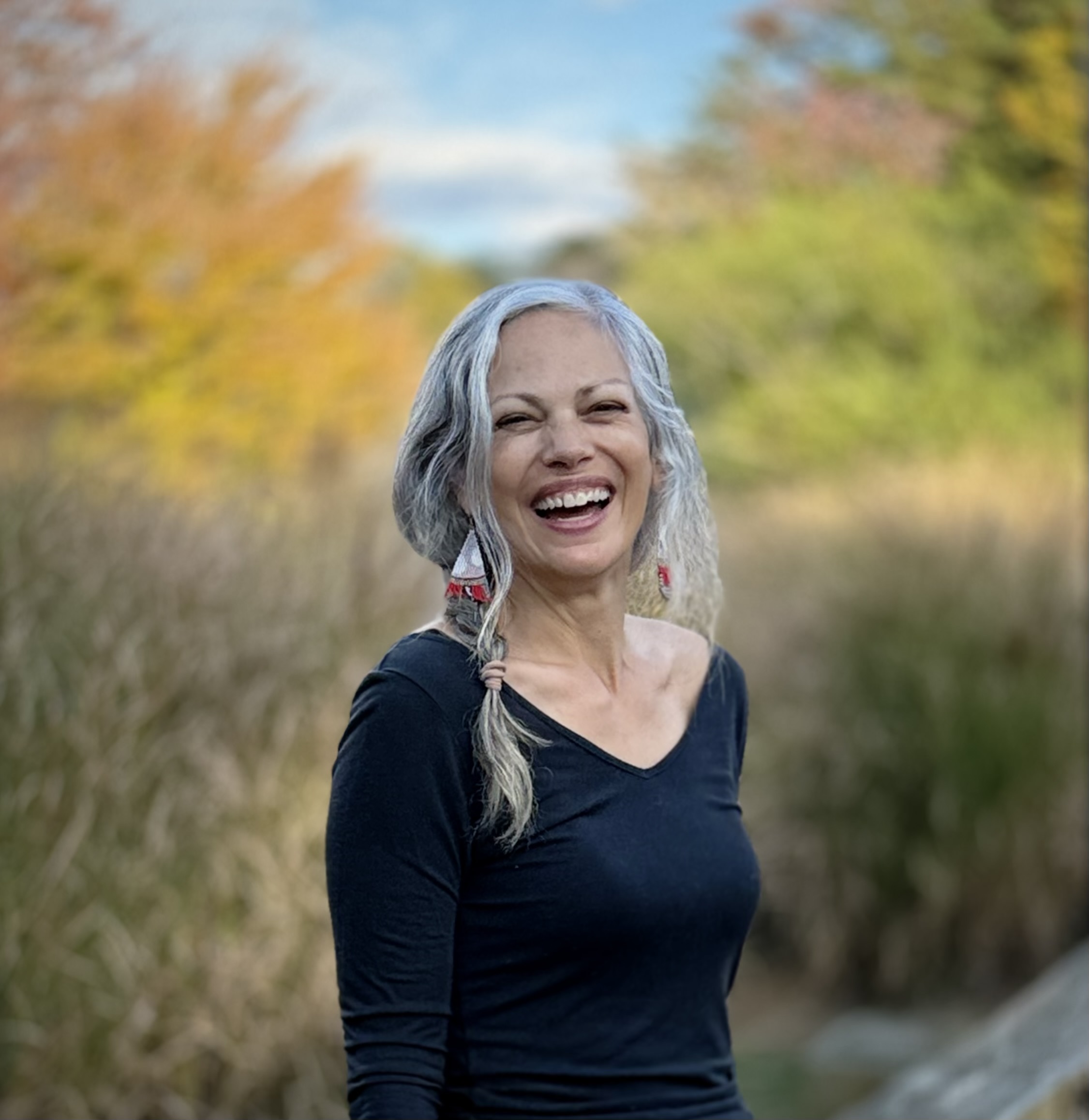
As divorce rates among couples over 50 continue to rise, the phenomenon known as “grey divorce” has become an increasingly common and complex life transition. For many, ending a long-term marriage later in life brings not only emotional upheaval but also big questions about identity, finances and what the next chapter should look like. Starting over at this stage isn’t just about surviving the split; it’s about rediscovering yourself and redefining what happiness, independence and even romance mean on your own terms.
To explore how women can move through this life change with confidence and hope, we sat down with Mardi Winder, a certified divorce transition coach who helps clients navigate the emotional and practical realities of grey divorce. In our Q&A, Mardi offers thoughtful, empowering insights on healing, rebuilding and — yes — dating again after 50. Whether you’re feeling curious about love, cautious about trust, or simply ready to move forward, her wisdom reminds us that reinvention isn’t reserved for the young. It’s a choice available at any age — and this time, it’s all about you.
How can women begin to reconnect with who they truly are after decades of defining themselves through marriage, family, or partnership?
Reconnection begins with slowing down and creating intentional moments where you can hear your own thoughts again. For many women, life has been built around the needs and schedules of others for so long that personal identity becomes blurred. Start by giving yourself permission to be curious about who you are today. Spend time journaling about what brings you peace, joy, or excitement. Go for walks without distractions (no earbuds or phone), listen to music that makes you get up and dance or sit quietly and reflect, or spend time in a favorite café and just observe. Keeping a gratitude journal to remind yourself of all that is right in your world is also a way to reconnect with yourself and the world around you. Sometimes, it helps to look back on old photos or memories from before marriage to remember what inspired you or made you laugh. Reconnecting with yourself is not about who you used to be; it is about rediscovering and getting excited with the woman you are now.
Many women feel lost without the identity of “wife” or “partner.” What are some healthy ways to release that identity and make space for new ones?
The role of “wife” often becomes a defining part of how women see themselves, so letting it go can feel like stepping into an unfamiliar world. One healthy way to release that identity is through small rituals of closure. You might write a letter to your past self, thanking her for the love, lessons, and resilience she carried through the marriage. Then, gently acknowledge that you are moving forward. Creating new routines can also help shift your mindset and allows you to carve out those routines and practices that are uniquely your own and separate from the past.
Try new rituals that are centered around your preferences, such as a quiet cup of coffee on the porch in the morning, joining a local yoga class, or taking yourself out to dinner or the movies. Rebuilding your social connections also helps you to create a new identity as a single. Spend time with friends who see you as more than your past relationship and encourage your growth. As you build new habits and connections, you naturally create space for new ways of being and new parts of your identity to emerge.
After years of compromise in a long marriage, how can women rebuild confidence in their own voice, choices, and independence?
Rebuilding confidence starts with small acts of self-trust, which may have been eroded in a challenging marriage. These acts can be as simple as making choices without asking for or being concerned about anyone’s approval. Decide what movie you want to watch, what paint color you love, or where you want to spend a weekend. These everyday decisions are powerful reminders that you are capable of leading your own life and making the right decision for you as an individual. Confidence also grows when you step outside your comfort zone. Try signing up for a class in something new, like photography, a new language, or even a mechanic or carpentry class. Volunteer for a cause that matters to you. Take yourself on a short solo trip to someplace you have always wanted to visit, even if it is just a day trip to a nearby town. Each time you act on your own judgment, you strengthen your sense of self.
What are practical ways women can rediscover passions or dreams that may have been set aside during marriage?
I am a list maker, so making a list of things that once brought you joy or curiosity is my go-to option. You can also create a vision board or a memory board of things you loved to do or always wanted to do before the marriage took you on a different path. Then, choose one and take a small step toward it. If you loved art, visit a local gallery or buy a small set of paints. If travel was something you dreamed of, start exploring nearby destinations and plan a weekend getaway. For women who enjoyed learning, community centers and online platforms offer courses in everything from gardening to writing, and they are often free or very low cost.
Reconnecting with old hobbies or discovering new ones can be a way of rewriting your story in this new chapter. Joining a group or club centered around your interest can also help build new friendships and expand your sense of belonging. Allow yourself to experiment without pressure or the need for perfection. Just enjoy the experience, no expectations required!
Post-divorce life can feel both liberating and lonely. How can women embrace solitude as a step toward self-discovery rather than something to fear?
Being alone is not the same as being lonely, and being spectacularly single after divorce is one of the hidden benefits of moving forward in life.
Making space for time alone can be one of the most healing parts of post-divorce life if we learn to approach it with intention. Start by mentally reframing solitude as the presence of space rather than absence.
Create a routine that includes moments of calm just for you, where you can do what you want to do, not what needs to be done. Read a book that inspires you, take an evening walk, or light a candle and write down what you are grateful for that day. Turning your home into a comforting space also helps make time on your own truly meaningful on a personal level. You might add soft lighting, display photos that make you smile, or rearrange furniture to reflect your own style and preferences. Solitude is where your thoughts, dreams, and emotions can come to life and we get comfortable in enjoying our own company.
Once a woman begins to rediscover herself, how can she start shaping a new life vision that feels authentic and fulfilling—without letting the past define it?
Shaping a new life vision begins with asking meaningful questions rather than setting rigid goals or listening and imposing the expectations of others. Ask yourself, “What does a fulfilling life look and feel like to me?” Make a list and jot down ideas that appeal to you, not what well-meaning friends and family members may be hinting or even stating that you need to do.
I encourage my clients to think big and to set goals for themselves and their life that are inspirational and motivational at a deep, passionate level. Get that big picture vision clear in your mind first and don’t worry about the how, that will come next. Once the goal and vision is in place, start to set realistic short-term goals that move you toward your vision, such as taking a class, saving for a trip, or exploring a new career direction.
Changing your life vision is a big step in the divorce process. It is also one that can be exciting, fun, and highly motivational in carrying you through to post-divorce success.
When and how might a woman know she’s ready to date or fall in love again—and how can she approach new relationships without losing the self she’s just rediscovered?
Knowing you are ready to date again is less about time and more about how you feel and where you are on an emotional level. You may notice you have reached a point where thoughts of your former partner no longer carry the same emotional weight and you are able to let go of the past. The anger, sadness, or longing has faded, or at least greatly dimmed, and you feel a genuine curiosity about connecting with someone new. That curiosity is often a sign that healing has happened and you are leaving the old behind and looking forward to the new. You need to be comfortable with yourself and who you are to be able to fully step into a serious relationship.
Before stepping back into dating, spend time clarifying what you truly want in a relationship. Make a list of the qualities and values that matter most to you now. Include how you want to feel in that partnership, and be specific. Some of the most common values that most women want to see reflected in a partner include respect, safety, security, commitment, and support. Knowing that are intentionally selecting the people you date is a great way to ensure you are choosing the right next partner, and not just a person that is available and interested in you.
I recommend that when you start dating, take it slow. Meet people in low-pressure settings like group activities, classes, or events connected to your interests. This allows genuine connections to develop naturally. Keep checking in with yourself. Ask, “Am I showing up as the person I want to be?” and “Does this relationship add to my life rather than take from it?” If you find yourself making changes to suit the other person, you should proceed with both caution and intention, especially if you have a history of choosing people and then accommodating to fit their version of a desirable partner.
Most importantly, remember that love should complement your life, not complete it. The goal is not to merge into someone else’s world but to create a healthy, balanced connection between two whole, healthy, caring, and loving individuals. When you stay true to who you are and maintain the independence you have worked so hard to rebuild, love becomes an addition to your happiness, without any need to compromise the amazing woman you are.
Mardi Winder is a Credentialed Distinguished Mediator, Domestic Violence Client Advocate, and certified Executive and Leadership Coach (ICF and BCC), as well as a Certified Divorce Transition Coach and High Conflict Divorce Coach. She is the host of the popular podcast The D Shift: Redefining Divorce and Beyond and the Real Divorce Talks live series. As the founder and CEO of Positive Communication Systems, LLC, Mardi helps clients navigate life’s most difficult transitions with confidence and clarity. A best-selling author of From I Do to I’m Done: A Woman’s Guide to Preparing for Divorce, Mardi draws from her own experience of divorce and its emotional and financial challenges to empower women throughout their journey toward rebuilding and rediscovery.