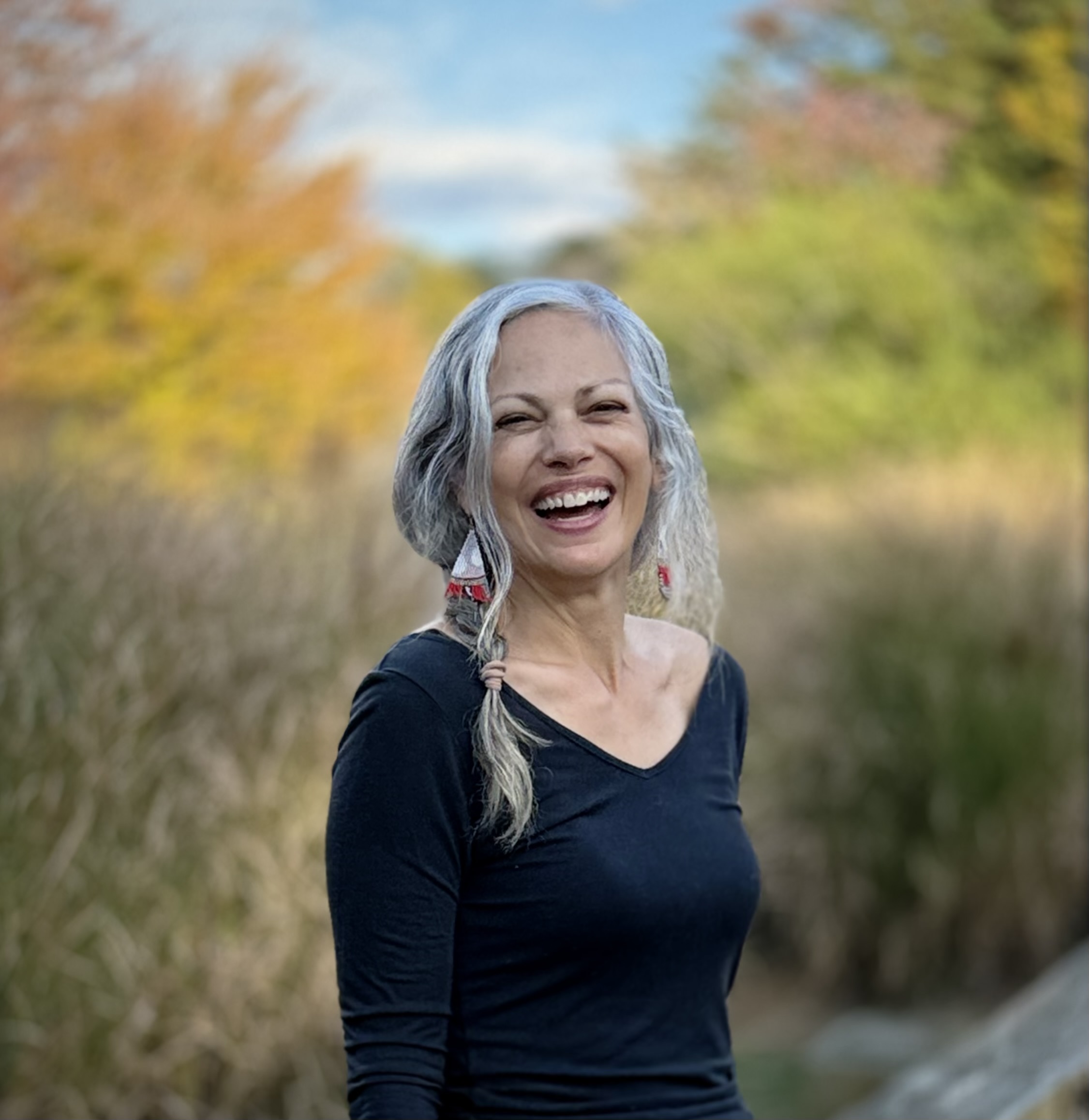
Heather Gunn-Rivera, Co-Founder Grassroots Fitness Project
Most of us understand the idea of saving for retirement.
We know that if we start early, contribute consistently, and invest wisely, we’ll have options later in life. We also know that if we wait too long, it doesn’t mean we’re doomed—but it does mean we’ll have to be more intentional, more consistent, and more disciplined to catch up.
What most people don’t realize is that the same exact framework applies to our bodies—specifically, to muscle.
I often tell people this: your body has a retirement account, and muscle is the currency. Whether you’re paying attention or not, you’re either saving, maintaining, or slowly going into debt.
Peak Muscle and the Quiet Decline
We reach peak muscle mass around the age of 29. From there, without intervention, we lose approximately 3–5% of muscle mass per decade. This isn’t a failure or a flaw—it’s simply biology.
The problem isn’t that muscle declines. The problem is that most of us aren’t taught to think about muscle as something worth protecting, growing, or investing in until much later—often after we’ve already lost a meaningful amount.
And unlike wrinkles or gray hair, muscle loss is largely invisible—until it isn’t.
Muscle as Body Wealth
Here’s the framework that tends to click for people:
- Below range muscle mass is like being in debt. You’re using credit cards just to get by. Everyday tasks cost more energy. Recovery takes longer. Injuries feel closer.
- Within range is your checking account. You’re functional. Things work. But there’s not much buffer.
- Above range is savings. This is body wealth. This is where you have reserves, resilience, and options.
When you’re above range, you’re not just stronger—you’re more protected. You have what I call dividends: the ability to slow down when you need to, recover more quickly, and maintain independence as life inevitably changes.
Muscle isn’t about aesthetics. It’s about capacity.
Why This Gets Harder With Age (and Why That’s Normal)
Here’s where the retirement analogy becomes especially important.
When you’re young, you don’t need to invest as much to see returns. You can train inconsistently, underfuel, or take breaks—and your body rebounds.
As you get older, the margin for error shrinks.
Building or maintaining muscle later in life requires:
- More consistency
- More intention
- More recovery
- And yes—more fuel
This doesn’t mean it’s impossible. It just means it can’t be casual.
Just like someone who starts saving for retirement at 45 can still build wealth—but not by contributing the same way as someone who started at 25.
The Protein Conversation (Reframed)
One of the most common reactions I hear when people start strength training seriously is:
“That’s so much protein.”
But protein isn’t excessive—it’s necessary.
Muscle is metabolically active tissue. You cannot build it, preserve it, or protect it without giving it the raw materials it needs. As we age, our bodies also become less efficient at using protein, which means we often need more, not less, to get the same effect.
This isn’t about dieting or restriction. It’s about fueling an investment.
You wouldn’t expect your retirement account to grow if you stopped contributing. Muscle works the same way.
The Gap Between Messaging and Reality
There’s been a welcome cultural shift toward encouraging strength training, especially for women. That part is great.
Where things get confusing is when the inputs don’t match the expectations.
You can’t:
- Train once or twice a week
- Underfuel consistently
- Avoid progressive challenge
…and still expect muscle adaptation to happen—especially later in life.
True muscle adaptation typically begins around three sessions per week. That’s not punishment—it’s physiology.
When people understand this, the conversation changes. It’s no longer about motivation or willpower. It’s about systems.
This Is Not About Perfection
This isn’t an argument for doing everything “right.”
It’s an invitation to see muscle differently.
To stop thinking of strength training as something cosmetic, optional, or temporary—and start thinking of it as long-term planning.
Because muscle doesn’t just determine how you look.
It determines how you:
- Move through the world
- Recover from illness or injury
- Age with independence
- Maintain autonomy later in life
Just like finances, body wealth is built gradually. Quietly. Consistently.
And the earlier you start—or the more intentionally you recommit—the more options you give yourself down the road.
Your body already has a retirement plan.
The question is whether you’re funding it.
Heather Gunn-Rivera is a strength coach, entrepreneur, mother, and co-founder of Grassroots Fitness Project, as well as the creator of Women’s Strength. For over two decades, she has coached individuals and communities with a focus on helping women build physical strength, confidence, and resilience in ways that support longevity, mental health, and real life — not aesthetics.